ニューヨーク証券取引所 · 製薬 - 専門・ジェネリック · USD
Haleon plc (HLN) 株式分析
Haleon plc(HLN)はニューヨーク証券取引所に上場する製薬 - 専門・ジェネリックの株式で、米ドル建てで取引されています。
最終更新日: 2026年10月21日
株価推移
価格データがありません
ホバーすると日々の終値が表示されます。点線は期間の始値を示します。
HLN 主要指標
2026年10月21日時点取引
- 始値
- $10.11
- 前日終値
- $10.17
- 本日の値幅
- 10.02–10.15
- 52週の値幅
- 8.65–11.28
- 出来高
- 1300.64万
- ベータ市場全体に対する株価の変動の大きさ。1.0で市場並み、上回ると値動きが大きく、下回ると小さくなります。
- 0.28
株価指標
- 時価総額
- $440.64億
- PER
- 20.45
- 予想PER株価を過去ではなく今後1年の予想利益で割った指標です。
- 16.23
- PEGレシオPERを予想利益成長率で割った指標。高いPERを成長の速さと合わせて評価できます。
- 2.33
- PSR時価総額を年間売上高で割った指標。赤字でPERが計算できない企業の評価に使われます。
- 3.95
- EPS(過去12か月)過去12か月に1株当たりに帰属する利益です。
- 0.49
業績(年度)
- 売上高(年度)
- $110.30億−1.81%
- 純利益(年度)
- $16.67億+15.60%
- 純利益率売上高のうち、すべての費用と税金を差し引いて利益として残る割合です。
- 14.55%
- 発行済株式数
- 43.98億
- 1年リターン
- +8.82%
配当・日程
- 配当
- $0.20+1.95%
- 権利落ち日
- 2026年8月14日
- 平均出来高
- 1500.70万
企業が開示している指標のみを表示しています。 データはYahoo Financeよりyfinance経由で提供。毎日更新。
主要データ
2026年10月21日時点で、HLNの終値は$10.02、過去1 年のリターンは+8.82%です。
Haleon plc(HLN)の時価総額は$440.64億です。
2025会計年度において、HLNの売上高は$110.30億でした。
HLN 年別リターン
Haleon plc(HLN)の2022年7月以降のリターン:$10,000はいくらになったか
- 1 年
- $10,000 $10,882
- +8.82%
- 3 年
- $10,000 $12,793
- +27.93%
- 2022年7月以降
- $10,000 $14,593
- +45.93%
ここに記録されている最も古い終値である2022年7月25日の終値でHaleon plc(HLN)に$10,000を投資していた場合、2026年10月21日の終値で$14,593になっていた計算です(累計+45.93%、年率+9.32%、配当再投資ベース、10年に満たない部分期間)。株式分割と配当を調整した終値に基づく過去の実績の計算で、手数料と税金は含みません。
暦年リターンは日次終値から算出しています。 年度途中の期間は淡色で表示し、アスタリスクを付けています。
| 年 | リターン |
|---|---|
| 2026 (年度途中) | +0.42% |
| 2025 | +7.85% |
| 2024 | +17.98% |
| 2023 | +4.22% |
| 2022 (年度途中) | +9.59% |
2026年10月21日時点。
HLN 会計年度別の売上高と利益
12月決算| 会計年度 | 売上高 | 純利益 | 純利益率 |
|---|---|---|---|
| 2025 | $110.30億 | $16.67億 | 15.1% |
| 2024 | $112.33億 | $14.42億 | 12.8% |
| 2023 | $113.02億 | $10.49億 | 9.3% |
| 2022 | $108.58億 | $10.60億 | 9.8% |
| 会計年度 | 売上高 | 売上総利益 | 営業利益 | 純利益 | 純利益率 |
|---|---|---|---|---|---|
| 2025 | $110.30億 | $70.80億 | $24.12億 | $16.67億 | 15.1% |
| 2024 | $112.33億 | $68.24億 | $22.06億 | $14.42億 | 12.8% |
| 2023 | $113.02億 | $67.47億 | $19.96億 | $10.49億 | 9.3% |
| 2022 | $108.58億 | $65.77億 | $18.25億 | $10.60億 | 9.8% |
会社の報告通貨による、公表ベースの年次数値です。 2025年12月31日時点。
HLN 配当履歴
2025年の1株当たり配当・2回の支払い
| 年 | 1株当たり配当 | 支払回数 | 前年比 |
|---|---|---|---|
| 2026* | $0.20 | 2 | — |
| 2025 | $0.18 | 2 | +12.1% |
| 2024 | $0.16 | 2 | +51.0% |
| 2023 | $0.10 | 2 | — |
直近の配当:1株当たり$0.10、権利落ち日2026年8月14日。 権利落ち日ベースで暦年ごとに合計した1株当たり金額です。 年度途中の期間は淡色で表示し、アスタリスクを付けています。
HLNのバリュエーションと製薬 - 専門・ジェネリック中央値の比較
97銘柄の中央値| 指標 | HLN | 製薬 - 専門・ジェネリックの中央値 | 中央値との差 |
|---|---|---|---|
| PER | 20.45 | 20.31 | 1%高い |
| PSR | 3.95 | 2.10 | 88%高い |
| 純利益率 | 14.55% | −8.14% | 22.7ポイント高い |
指標を開示している製薬 - 専門・ジェネリック銘柄97社の中央値です。平均ではなく中央値なので、外れ値の影響を受けません。 2026年10月21日時点。
最新ニュース
UBS says early flu pick-up could lift 2027 earnings at Reckitt and Haleon
Proactive InvestorsHaleon Launches ‘Haleon Health House,’ a One-Day Interactive Wellness Pop-Up in Toronto
YahooWill Headache Remedy Launch Change Haleon's (LSE:HLN) Narrative
YahooHaleon And 2 British AI Healthcare Stocks To Watch
YahooIs Haleon (LSE:HLN) Using Excedrin’s Nostalgic Game To Redefine Consumer Health Brand Moats?
YahooIs Haleon (LSE:HLN) Undervalued After A 11% Three Year Return?
Yahoo





全20件の記事 ↓表示を減らす ↑
Haleon (LSE:HLN) Unveils Excedrin Push, Is The Valuation Gap An Opportunity?
YahooLCUT vs. HLN: Which Stock Is the Better Value Option?
YahooJ.P. Morgan flags negative catalyst at Haleon on weak sales momentum
YahooHaleon tipped to cut sales growth guidance as cough and cold season clouds outlook
Proactive InvestorsHaleon is Buying Better Shelf Space, Can the Visibility Help it Against Procter & Gamble and Colgate-Palmolive?
YahooDeutsche Bank stays bearish on Haleon as growth headwinds mount
Proactive InvestorsHaleon Turns to Weight-Loss Drug Users for its Next U.S. Growth Opportunity
YahooLCUT or HLN: Which Is the Better Value Stock Right Now?
YahooHaleon And 2 British AI Healthcare Stocks To Watch
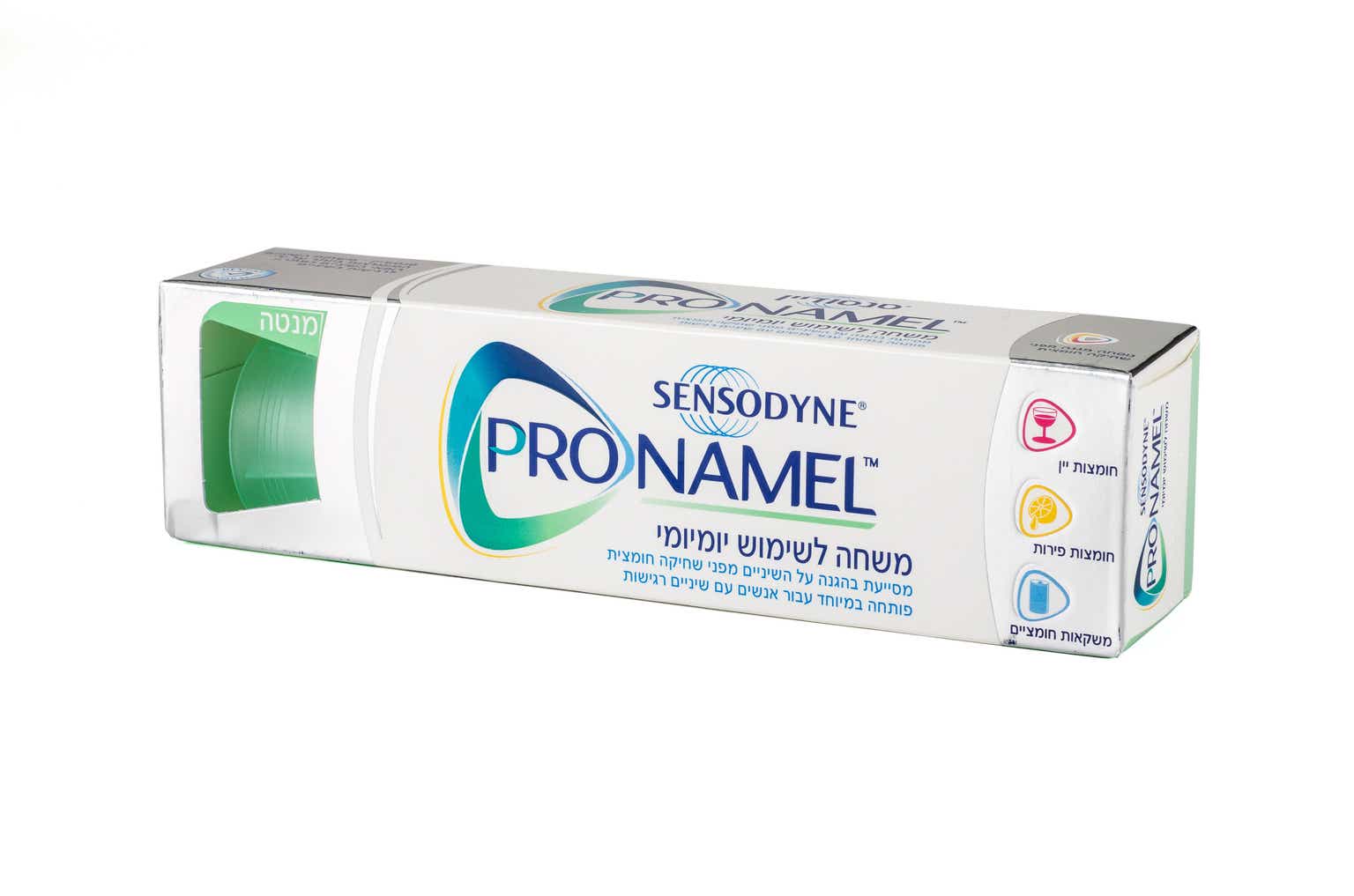
YahooSensodyne Maker Haleon Leverages Eye-Level Shelf Placement To Outpace Rivals-Report
Benzinga'Haleon Says It Negotiated Better Walmart, Target Shelf Space Via U.S. Price Deals; Haleon Says Improved Shelf Positions Are Driving U.S. Market Share' - Reuters Exclusive
BenzingaHaleon: Decent Growth Prospects, But Still Not A Bargain
SeekingAlphaHaleon plc (HLN) Q2 2026 Earnings Call Prepared Remarks Transcript
SeekingAlphaHaleon plc 2026 Q2 - Results - Earnings Call Presentation
SeekingAlpha







サードパーティのソースから提供されたニュース。投資助言ではありません。
分析
データから生成上記の数値はすべて、日次の再生成時にこのページ自身のデータから読み取っています。情報提供のみを目的としており、投資アドバイスではありません。 2026年10月21日時点。
関連する製薬 - 専門・ジェネリック銘柄
Takeda Pharmaceutical Company Limited
$636.68億
TEVATeva Pharmaceutical Industries Limited
$473.75億
ZTSZoetis Inc.
$329.01億
UTHRUnited Therapeutics Corporation
$241.68億
VTRSViatris Inc.
$211.92億
NBIXNeurocrine Biosciences, Inc.
$143.64億
ヘルスケアの人気銘柄
Eli Lilly and Company
$1.13兆
JNJJohnson & Johnson
$6212.24億
ABBVAbbVie Inc.
$5032.75億
UNHUnitedHealth Group Incorporated
$3742.97億
MRKMerck & Co., Inc.
$3697.80億