NASDAQ · Restaurants · USD
Papa John's International, Inc. (PZZA) Stock Analysis
Papa John's International, Inc. (PZZA) is a Restaurants stock listed on NASDAQ and quoted in US Dollar.
Last Updated: October 21, 2026
Price History
No price data available
Hover for the daily close. The dotted line marks the period open.
PZZA Key Statistics
As of Oct 21, 2026Trading
- Open
- $18.62
- Previous Close
- $18.73
- Day's Range
- 17.94–18.64
- 52-Week Range
- 17.94–55.74
- Volume
- 1.75M
- BetaHow much the share price moves relative to the wider market. 1.0 moves in line with it; above 1.0 swings more, below 1.0 less.
- 1.12
Valuation
- Market Cap
- $600.49M
- P/E Ratio
- 22.80
- Forward P/EShare price divided by forecast earnings for the year ahead, rather than the year just past.
- 13.93
- PEG RatioThe P/E ratio divided by the expected earnings growth rate. It puts a high P/E in the context of how fast profits are growing.
- 2.15
- P/S ratioMarket value divided by annual revenue. Useful for companies that are not yet profitable, where a P/E cannot be calculated.
- 0.31
- EPS (ttm)Profit attributable to each share over the last twelve months.
- 0.80
Financials (FY)
- Revenue (FY)
- $2.05B−0.27%
- Net Income (FY)
- $30.53M−63.43%
- Profit marginThe share of revenue left as profit after all costs and taxes.
- 1.40%
- Shares Outstanding
- 32.92M
- 1-Year Return
- −64.02%
Dividend and dates
- Ex-Dividend Date
- May 18, 2026
- Earnings Date
- November 5, 2026
- Avg Volume
- 1.51M
Only metrics the company reports are shown. Data provided by Yahoo Finance via yfinance. Updated daily.
Key facts
As of October 21, 2026, PZZA closed at $18.24, −64.02% over 1 year.
Papa John's International, Inc. (PZZA) has a market capitalization of $600.49M.
In fiscal 2025, PZZA reported revenue of $2.05B.
PZZA Stock Return by Calendar Year
Papa John's International, Inc. (PZZA) 10-year return: what $10,000 became
- 1 year
- $10,000 $3,598
- −64.02%
- 5 years
- $10,000 $1,748
- −82.52%
- 10 years
- $10,000 $2,816
- −71.84%
If you had invested $10,000 in Papa John's International, Inc. (PZZA) 10 years ago, at the close on October 21, 2016, it would have been worth $2,816 at the close on October 21, 2026: −71.84% in total, −11.90% a year, with dividends reinvested. A historical calculation from closing prices adjusted for splits and dividends, before fees and taxes.
Calendar-year returns computed from daily closing prices. Partial years are shown muted and marked with an asterisk.
| Year | Return |
|---|---|
| 2026 (partial year) | −51.33% |
| 2025 | −2.01% |
| 2024 | −44.21% |
| 2023 | −5.28% |
| 2022 | −37.26% |
| 2021 | +58.87% |
| 2020 | +35.88% |
| 2019 | +61.50% |
| 2018 | −27.80% |
| 2017 | −33.68% |
| 2016 (partial year) | +13.91% |
As of October 21, 2026.
PZZA Revenue and Earnings by Fiscal Year
FY ends December| Fiscal year | Revenue | Net income | Net margin |
|---|---|---|---|
| 2025 | $2.05B | $30.53M | 1.5% |
| 2024 | $2.06B | $83.49M | 4.1% |
| 2023 | $2.14B | $82.10M | 3.8% |
| 2022 | $2.10B | $67.77M | 3.2% |
| Fiscal year | Revenue | Gross profit | Operating income | Net income | Net margin |
|---|---|---|---|---|---|
| 2025 | $2.05B | $425.67M | $84.69M | $30.53M | 1.5% |
| 2024 | $2.06B | $416.63M | $142.69M | $83.49M | 4.1% |
| 2023 | $2.14B | $419.32M | $147.14M | $82.10M | 3.8% |
| 2022 | $2.10B | $388.43M | $121.10M | $67.77M | 3.2% |
Annual figures as reported, in the company's reporting currency. As of December 31, 2025.
PZZA Dividend History
Dividends per share, 2025 · 4 payments
| Year | Dividends per share | Payments | Change |
|---|---|---|---|
| 2026* | $0.92 | 2 | — |
| 2025 | $1.84 | 4 | +0.0% |
| 2024 | $1.84 | 4 | +4.5% |
| 2023 | $1.76 | 4 | +14.3% |
| Year | Dividends per share | Payments | Change |
|---|---|---|---|
| 2026 (partial year) | $0.92 | 2 | — |
| 2025 | $1.84 | 4 | +0.0% |
| 2024 | $1.84 | 4 | +4.5% |
| 2023 | $1.76 | 4 | +14.3% |
| 2022 | $1.54 | 4 | +33.9% |
| 2021 | $1.15 | 4 | +27.8% |
| 2020 | $0.90 | 4 | +0.0% |
| 2019 | $0.90 | 4 | +0.0% |
| 2018 | $0.90 | 4 | +5.9% |
| 2017 | $0.85 | 4 | +325.0% |
| 2016 | $0.20 | 1 | — |
Most recent payment: $0.46 per share, ex-dividend May 18, 2026. Per-share amounts summed by calendar year from ex-dividend dates. Partial years are shown muted and marked with an asterisk.
PZZA Valuation vs Restaurants Median
Median of 58 stocks| Metric | PZZA | Restaurants median | vs median |
|---|---|---|---|
| P/E | 22.80 | 21.10 | 8% above |
| P/S ratio | 0.31 | 1.21 | 0.3x the median |
| Profit margin | 1.40% | 2.36% | 1.0 pts below |
Medians across 58 Restaurants stocks that report the metric. Medians, not averages, so one outlier cannot move them. As of October 21, 2026.
Recent News
Papa John's: This Painful Reset Could Set The Stage For Recovery (Rating Upgrade)
SeekingAlphaPapa Johns Summons a Halloween Favourite: The Jack-o’-Lantern Pizza Returns
YahooWhat Papa John's International Investors Missed Before A 61% Fall
YahooStephens & Co. Maintains Equal-Weight on Papa John's International, Lowers Price Target to $19
BenzingaPapa John's International Reports Q2 2026 Results: Full Earnings Call Transcript
BenzingaPapa Johns to Report Third Quarter 2026 Results on November 5, 2026
Yahoo
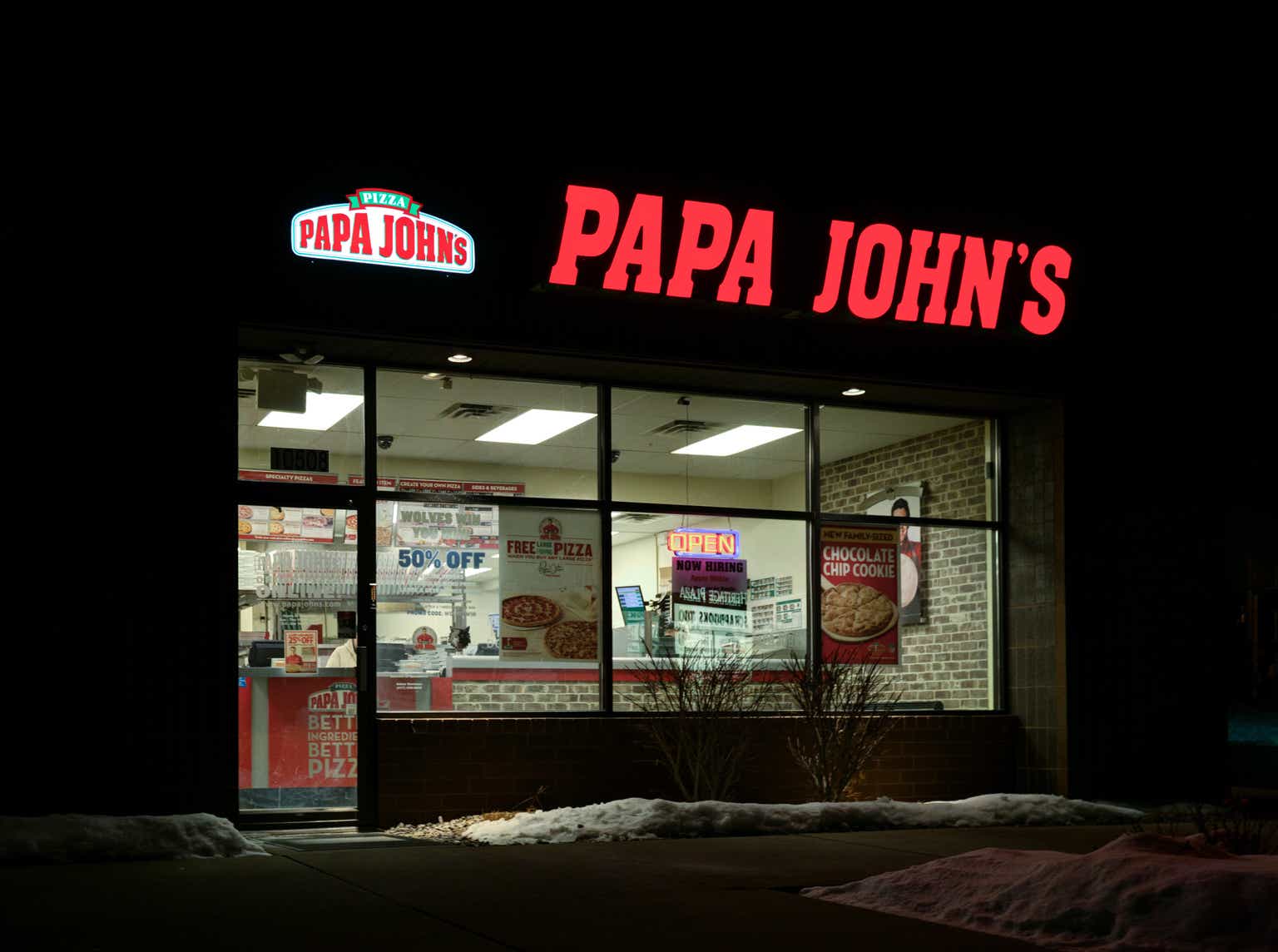



All 20 articles ↓Show fewer ↑
Papa Johns The Works Pizza: Seven Premium Toppings in One Perfect Bite
YahooWalmart (WMT) Delivery Push Gains Momentum with Papa John’s Partnership
YahooWalmart Expands Restaurant Delivery With Papa John’s Deal – What Investors Need To Know
Stocktwits'Walmart Expands Restaurant Delivery With Papa John’s Deal' - Bloomberg
BenzingaPapa Johns to Participate in the Piper Sandler Growth Frontiers Conference
YahooAtlanta Wins. Papa Johns Delivers. Papa Johns Named Official Pizza Partner of the Atlanta Falcons and Atlanta United
YahooPapa Johns (PZZA) Stock Sees Fair Value Cut As Analysts Reassess Turnaround Risks
Yahoo3 Reasons PZZA is Risky and 1 Stock to Buy Instead
YahooPapa John's: Self-Help Initiatives And A Discounted Valuation Create Upside
SeekingAlphaPapa Johns Delivers More for Pepperoni Lovers With the Ultimate Pepperoni Pizza, Combining Quality and Abundance
YahooPapa John's: Fairly Valued Despite Turnaround Potential
SeekingAlphaPapa Johns Refranchises 28 Restaurants in Orlando Market
qsrmagazine.comPapa Johns Completes Strategic Refranchising of Orlando-area Restaurants with Franchisee Wade Oney
YahooPapa Johns and PopUp Bagels Deliver the Ultimate Flavor Crossover With Two New Schmears Inspired by Iconic Papa Johns Flavors
Yahoo






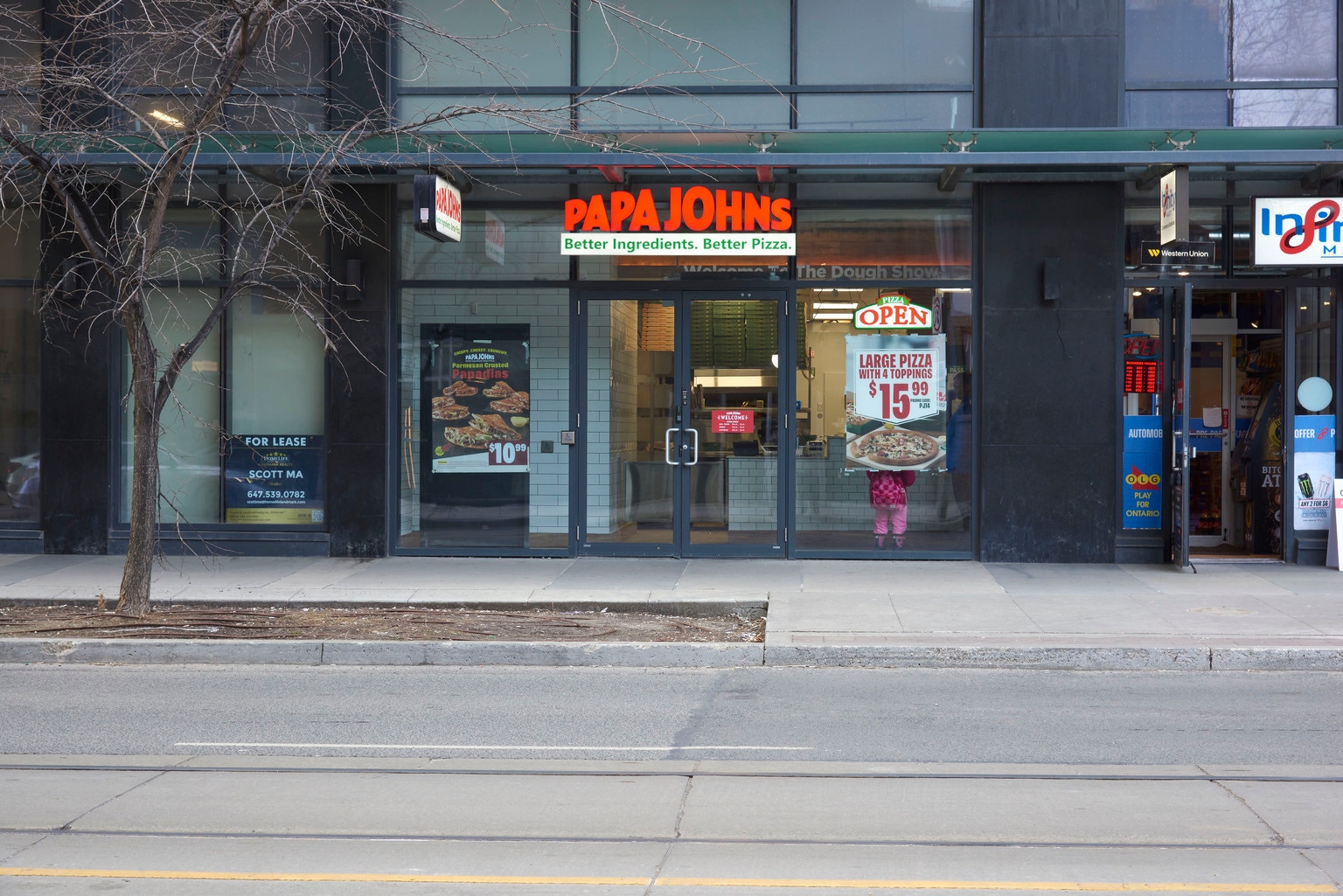
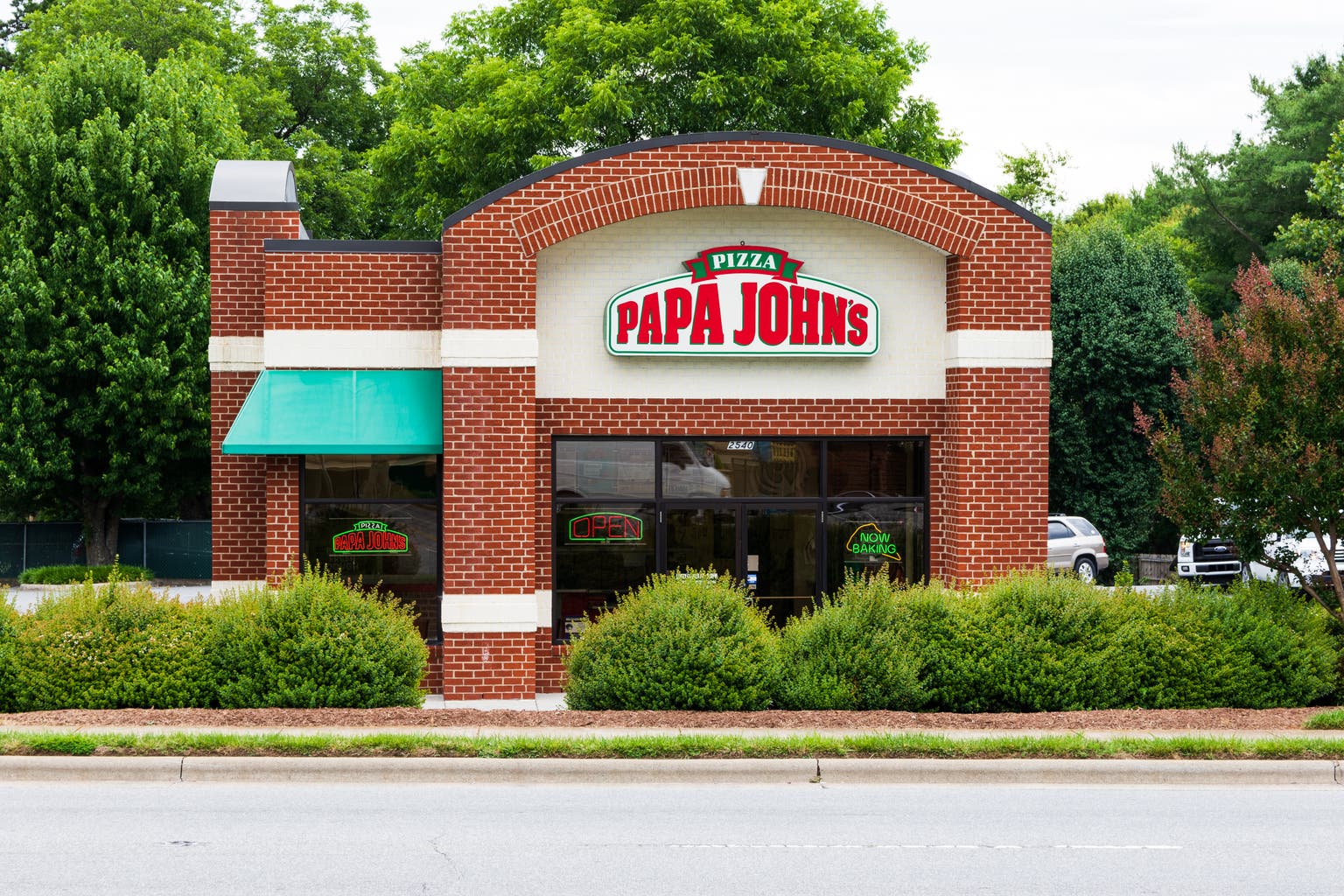


News provided by third-party sources. Not financial advice.
Analysis
Data-derivedEvery figure above is read from this page's own data on each daily rebuild. Informational only, not financial advice. As of October 21, 2026.
Related Restaurants Stocks
McDonald's Corporation
$174.26B
SBUXStarbucks Corporation
$112.95B
YUMYum! Brands, Inc.
$41.27B
CMGChipotle Mexican Grill, Inc.
$37.82B
QSRRestaurant Brands International Inc.
$33.97B
DRIDarden Restaurants, Inc.
$24.27B
Popular Consumer Cyclical Stocks
Amazon.com, Inc.
$2.83T
TSLATesla, Inc.
$1.53T
HDThe Home Depot, Inc.
$313.41B
BABAAlibaba Group Holding Limited
$270.19B
TMToyota Motor Corporation
$229.51B