NYSE · Chemicaliën · USD
Braskem S.A. (BAK) Aandelenanalyse
Braskem S.A. (BAK) is een Chemicaliën-aandeel dat noteert op NYSE in Amerikaanse dollar.
Laatst bijgewerkt: 21 oktober 2026
Koersverloop
Geen koersgegevens beschikbaar
Beweeg over de grafiek voor de dagelijkse slotkoers. De stippellijn markeert de opening van de periode.
BAK Kerncijfers
Per 21 okt 2026Handel
- Opening
- $ 1,67
- Vorige slotkoers
- $ 1,67
- Dagbereik
- 1,61–1,71
- 52-weeksbereik
- 1,40–5,40
- Volume
- 1,79 mln.
- BètaHoeveel de koers beweegt ten opzichte van de markt. 1,0 beweegt mee; hoger schommelt meer, lager minder.
- 0,67
Waardering
- Marktkapitalisatie
- $ 733,21 mln.
- K/W-verhouding
- niet winstgevend
- PEG-ratioDe koers-winstverhouding gedeeld door de verwachte winstgroei. Plaatst een hoge K/W in de context van groei.
- 1,46
- WPA (12 mnd)Winst per aandeel over de afgelopen twaalf maanden.
- −2,60
Cijfers (boekjaar)
- Omzet (boekjaar)
- $ 70,72 mld.−8,65%
- Nettowinst (boekjaar)
- −$ 9,88 mld.
- WinstmargeHet deel van de omzet dat na alle kosten en belastingen als winst overblijft.
- −7,85%
- Uitstaande aandelen
- 172,53 mln.
- Rendement 1 jaar
- −33,33%
Dividend en data
- Cijferdatum
- 12 november 2026
- Gem. Volume
- 2,13 mln.
Alleen kengetallen die het bedrijf rapporteert worden getoond. Gegevens verstrekt door Yahoo Finance via yfinance. Dagelijks bijgewerkt.
Kerngegevens
Per 21 oktober 2026 sloot BAK op $ 1,64, −33,33% over 1 jaar.
Braskem S.A. (BAK) heeft een marktkapitalisatie van $ 733,21 mln.
In boekjaar 2025 boekte BAK een omzet van $ 70,72 mld.
BAK Rendement per kalenderjaar
Rendement van Braskem S.A. (BAK) over 10 jaar: wat er van $ 10.000 werd
- 1 jaar
- $ 10.000 $ 6.667
- −33,33%
- 5 jaar
- $ 10.000 $ 963
- −90,37%
- 10 jaar
- $ 10.000 $ 1.195
- −88,05%
Als je 10 jaar geleden $ 10.000 in Braskem S.A. (BAK) had belegd tegen de slotkoers van 21 oktober 2016, was die belegging $ 1.195 waard geweest bij de slotkoers van 21 oktober 2026: −88,05% in totaal, −19,14% per jaar, met herbelegde dividenden. Historische berekening op basis van slotkoersen gecorrigeerd voor splitsingen en dividenden, vóór kosten en belastingen.
Kalenderjaarrendementen berekend op dagelijkse slotkoersen. Deeljaren worden gedempt weergegeven en gemarkeerd met een sterretje.
| Jaar | Rendement |
|---|---|
| 2026 (deeljaar) | −44,41% |
| 2025 | −23,58% |
| 2024 | −56,24% |
| 2023 | −4,13% |
| 2022 | −54,75% |
| 2021 | +167,18% |
| 2020 | −39,12% |
| 2019 | −37,81% |
| 2018 | −2,63% |
| 2017 | +27,42% |
| 2016 (deeljaar) | +69,66% |
Per 21 oktober 2026.
BAK Omzet en winst per boekjaar
Einde boekjaar: december| Boekjaar | Omzet | Nettowinst | Nettomarge |
|---|---|---|---|
| 2025 | $ 70,72 mld. | −$ 9,88 mld. | −14,0% |
| 2024 | $ 77,41 mld. | −$ 11,32 mld. | −14,6% |
| 2023 | $ 70,57 mld. | −$ 4,58 mld. | −6,5% |
| 2022 | $ 96,52 mld. | −$ 336,00 mln. | −0,3% |
| Boekjaar | Omzet | Brutowinst | Bedrijfsresultaat | Nettowinst | Nettomarge |
|---|---|---|---|---|---|
| 2025 | $ 70,72 mld. | $ 1,56 mld. | −$ 1,64 mld. | −$ 9,88 mld. | −14,0% |
| 2024 | $ 77,41 mld. | $ 6,00 mld. | −$ 990,00 mln. | −$ 11,32 mld. | −14,6% |
| 2023 | $ 70,57 mld. | $ 3,02 mld. | −$ 1,75 mld. | −$ 4,58 mld. | −6,5% |
| 2022 | $ 96,52 mld. | $ 11,36 mld. | $ 6,11 mld. | −$ 336,00 mln. | −0,3% |
Jaarcijfers zoals gerapporteerd, in de rapportagevaluta van het bedrijf. Per 31 december 2025.
BAK Dividendhistorie
Dividend per aandeel, 2022 · uitkeringen: 1
| Jaar | Dividend per aandeel | Uitkeringen | Verandering |
|---|---|---|---|
| 2022 | $ 0,67 | 1 | −75,1% |
| 2021 | $ 2,71 | 1 | — |
| 2019 | $ 0,41 | 1 | −63,5% |
| 2018 | $ 1,11 | 1 | +43,1% |
| Jaar | Dividend per aandeel | Uitkeringen | Verandering |
|---|---|---|---|
| 2022 | $ 0,67 | 1 | −75,1% |
| 2021 | $ 2,71 | 1 | — |
| 2019 | $ 0,41 | 1 | −63,5% |
| 2018 | $ 1,11 | 1 | +43,1% |
| 2017 | $ 0,78 | 1 | — |
Laatste uitkering: $ 0,67 per aandeel, ex-dividend op 20 april 2022. Bedragen per aandeel opgeteld per kalenderjaar op basis van ex-dividenddata. Deeljaren worden gedempt weergegeven en gemarkeerd met een sterretje.
Waardering van BAK versus de Chemicaliën-mediaan
Mediaan van 16 aandelen| Kengetal | BAK | Chemicaliën-mediaan | T.o.v. mediaan |
|---|---|---|---|
| K/O-verhouding | 0,01 | 0,29 | 0,0x de mediaan |
| Winstmarge | −7,85% | −2,65% | 5,2 ppt lager |
Medianen over 16 Chemicaliën-aandelen die het kengetal rapporteren. Medianen, geen gemiddelden, zodat één uitschieter ze niet verschuift. Per 21 oktober 2026.
Laatste Nieuws
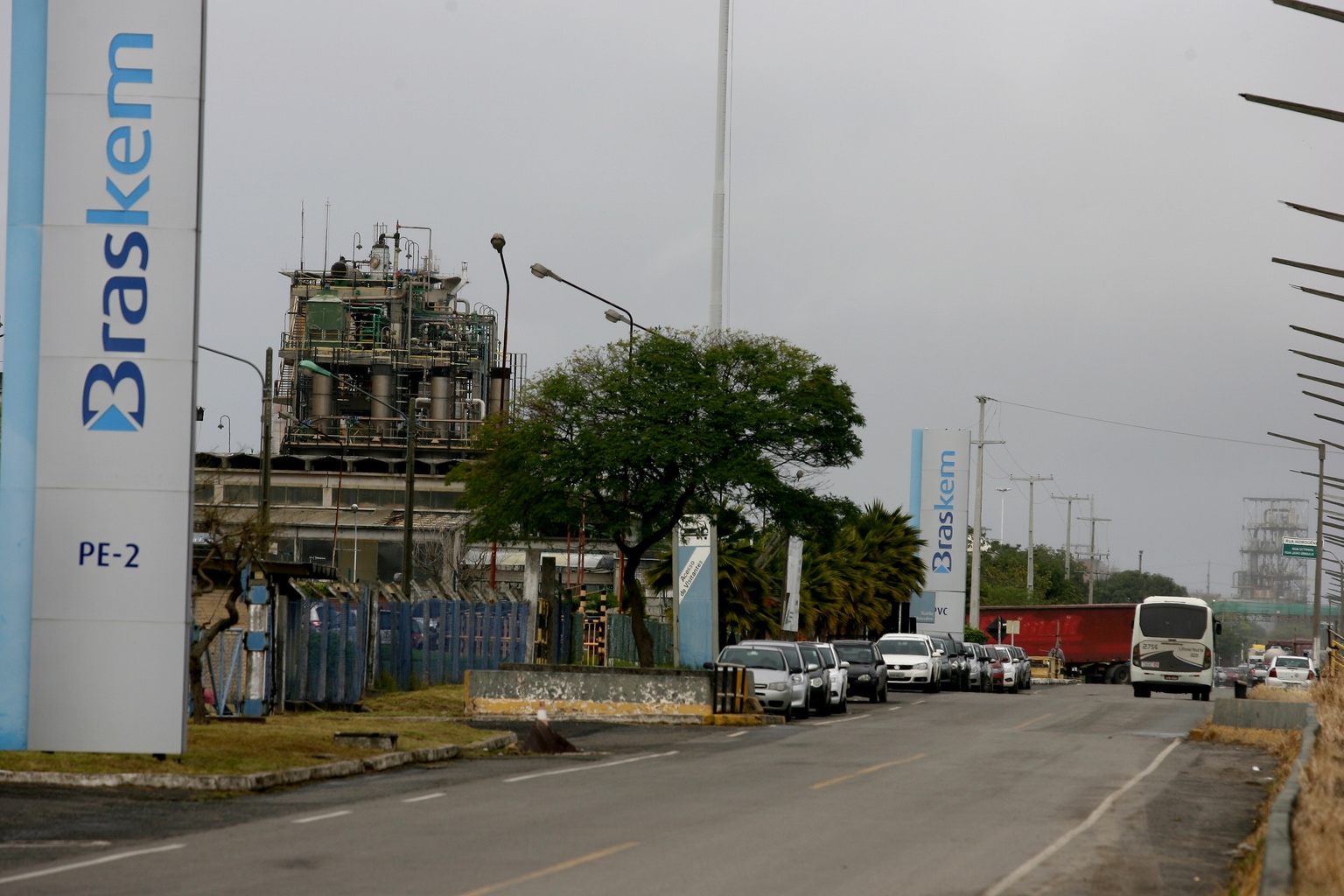
Braskem Strengthens Industrial Cybersecurity with SecureOT Platform by Rockwell Automation
YahooBraskem S.A. - Depositary Receipt Price Target Decreased by 25.51% to $2.94
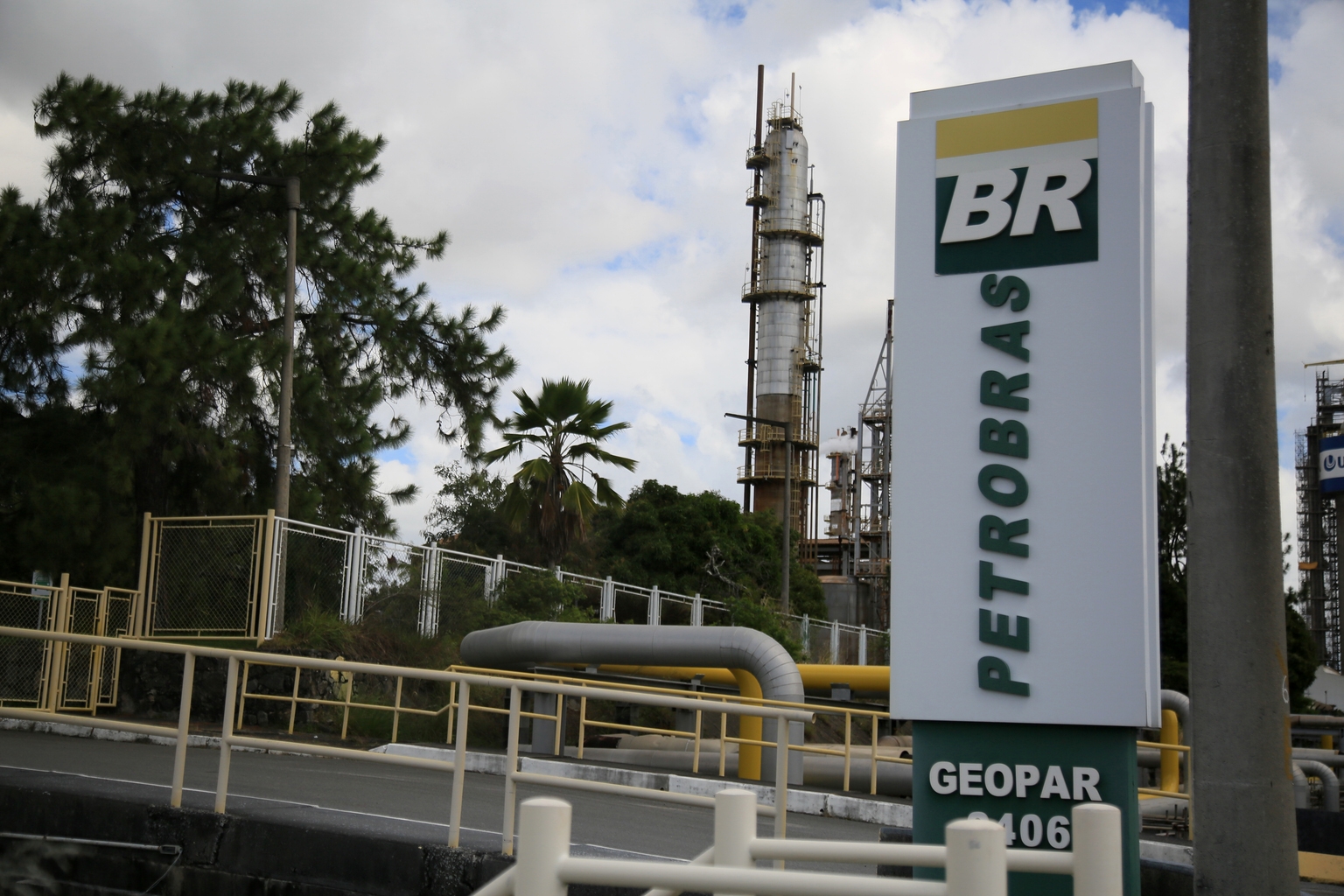
FintelPetrobras' Braskem Exposure Faces Test as Debt Talks Continue
YahooHSBC Downgrades Braskem to Hold, Lowers Price Target to $1.5
BenzingaUpdate: Market Chatter: Petrobras Executive Expects Braskem to Finalize Deal With Creditors
YahooUpdate: Market Chatter: Braskem Creditors Seek $3 Billion Capital Injection From Controlling Holders
Yahoo





Alle 12 artikelen ↓Minder tonen ↑
Transcript: Braskem Q2 2026 Earnings Conference Call
BenzingaUBS Downgrades Braskem to Sell, Lowers Price Target to $1.5
BenzingaBraskem: The Business Is Worth Saving, The Stock Is Anyone's Guess
SeekingAlphaBraskem S.A. (BAK) Q2 2026 Earnings Call Transcript
SeekingAlphaBraskem S.A. 2026 Q2 - Results - Earnings Call Presentation
SeekingAlphaBraskem: 3-Year Update, But I Am Dubious (Rating Downgrade)
SeekingAlpha



Nieuws geleverd door externe bronnen. Geen financieel advies.
Analyse
Uit de dataAlle cijfers hierboven worden bij elke dagelijkse herbouw uit de gegevens van deze pagina gelezen. Alleen ter informatie, geen financieel advies. Per 21 oktober 2026.
Gerelateerde Chemicaliën Aandelen
Dow Inc.
$ 21,94 mld.
MX.TOMethanex Corporation
C$ 6,87 mld.
CECelanese Corporation
$ 4,91 mld.
OLNOlin Corporation
$ 1,70 mld.
HUNHuntsman Corporation
$ 1,44 mld.
REXREX American Resources Corporation
$ 1,35 mld.
Populaire Basisgrondstoffen aandelen
Linde plc
$ 230,75 mld.
BHPBHP Group Limited
$ 211,50 mld.
SCCOSouthern Copper Corporation
$ 167,24 mld.
RIORio Tinto Group
$ 141,37 mld.
NEMNewmont Corporation
$ 123,47 mld.