ニューヨーク証券取引所 · 医療施設 · USD
DaVita Inc. (DVA) 株式分析
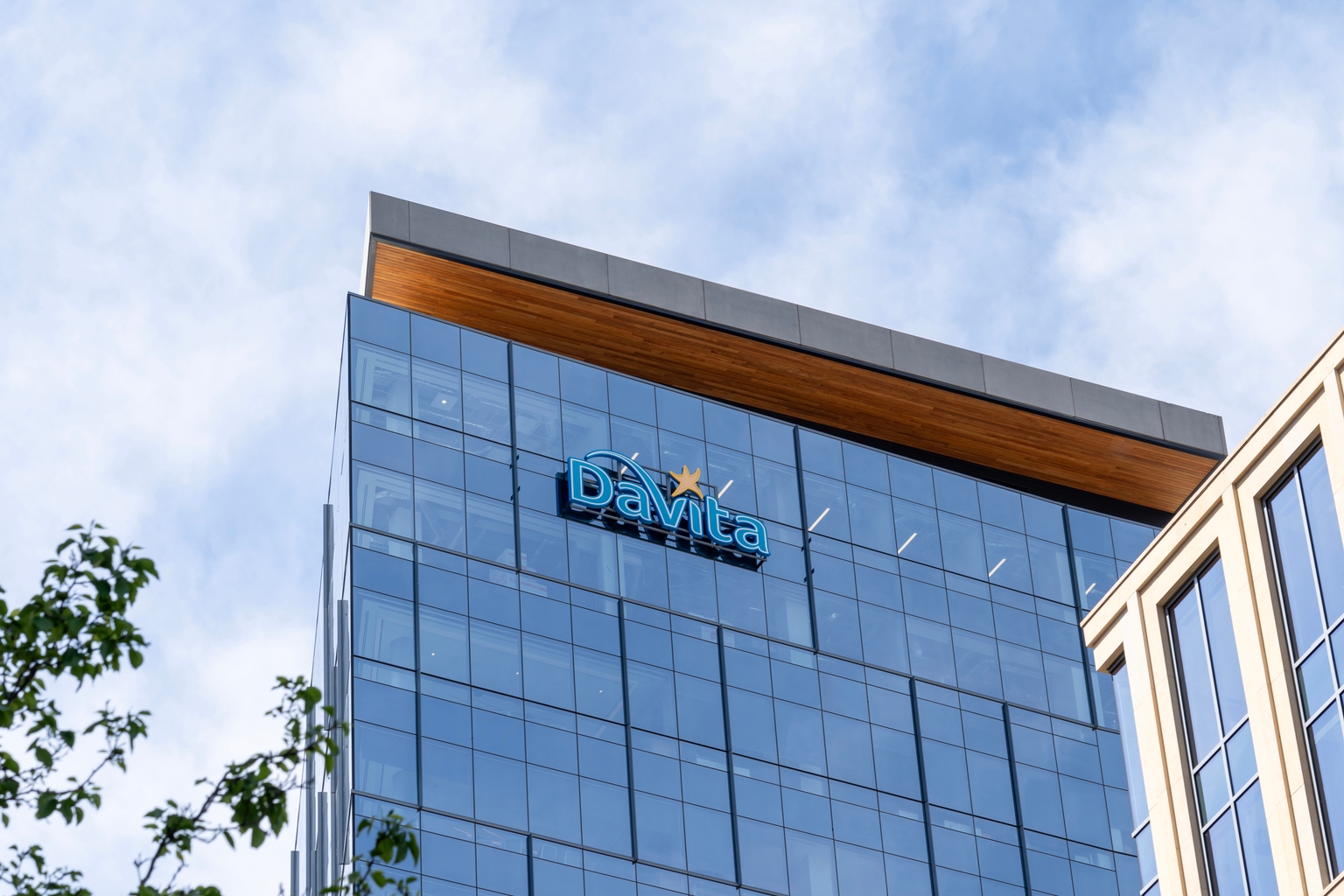
DaVita Inc.(DVA)はニューヨーク証券取引所に上場する医療施設の株式で、米ドル建てで取引されています。
最終更新日: 2026年10月21日
株価推移
価格データがありません
ホバーすると日々の終値が表示されます。点線は期間の始値を示します。
DVA 主要指標
2026年10月21日時点取引
- 始値
- $171.78
- 前日終値
- $175.35
- 本日の値幅
- 172.39–177.48
- 52週の値幅
- 101.00–247.49
- 出来高
- 114.04万
- ベータ市場全体に対する株価の変動の大きさ。1.0で市場並み、上回ると値動きが大きく、下回ると小さくなります。
- 0.80
株価指標
- 時価総額
- $112.80億
- PER
- 14.93
- 予想PER株価を過去ではなく今後1年の予想利益で割った指標です。
- 10.31
- PEGレシオPERを予想利益成長率で割った指標。高いPERを成長の速さと合わせて評価できます。
- 0.43
- PSR時価総額を年間売上高で割った指標。赤字でPERが計算できない企業の評価に使われます。
- 0.81
- EPS(過去12か月)過去12か月に1株当たりに帰属する利益です。
- 11.84
業績(年度)
- 売上高(年度)
- $136.43億+6.46%
- 純利益(年度)
- $7.47億−20.24%
- 純利益率売上高のうち、すべての費用と税金を差し引いて利益として残る割合です。
- 6.05%
- 発行済株式数
- 6380.00万
- 1年リターン
- +37.69%
配当・日程
- 決算発表日
- 2026年10月29日
- 平均出来高
- 77.68万
企業が開示している指標のみを表示しています。 データはYahoo Financeよりyfinance経由で提供。毎日更新。
主要データ
2026年10月21日時点で、DVAの終値は$176.81、過去1 年のリターンは+37.69%です。
DaVita Inc.(DVA)の時価総額は$112.80億です。
2025会計年度において、DVAの売上高は$136.43億でした。
DVA 年別リターン
DaVita Inc.(DVA)の10年リターン:$10,000はいくらになったか
- 1 年
- $10,000 $13,769
- +37.69%
- 5 年
- $10,000 $15,320
- +53.20%
- 10 年
- $10,000 $29,004
- +190.04%
10年前、2016年10月21日の終値でDaVita Inc.(DVA)に$10,000を投資していた場合、2026年10月21日の終値で$29,004になっていた計算です(累計+190.04%、年率+11.24%)。株式分割と配当を調整した終値に基づく過去の実績の計算で、手数料と税金は含みません。
暦年リターンは日次終値から算出しています。 年度途中の期間は淡色で表示し、アスタリスクを付けています。
| 年 | リターン |
|---|---|
| 2026 (年度途中) | +55.63% |
| 2025 | −24.03% |
| 2024 | +42.75% |
| 2023 | +40.30% |
| 2022 | −34.36% |
| 2021 | −3.10% |
| 2020 | +56.47% |
| 2019 | +45.80% |
| 2018 | −28.78% |
| 2017 | +12.54% |
| 2016 (年度途中) | −14.81% |
2026年10月21日時点。
DVA 会計年度別の売上高と利益
12月決算| 会計年度 | 売上高 | 純利益 | 純利益率 |
|---|---|---|---|
| 2025 | $136.43億 | $7.47億 | 5.5% |
| 2024 | $128.16億 | $9.36億 | 7.3% |
| 2023 | $121.40億 | $6.92億 | 5.7% |
| 2022 | $116.10億 | $5.60億 | 4.8% |
| 会計年度 | 売上高 | 売上総利益 | 営業利益 | 純利益 | 純利益率 |
|---|---|---|---|---|---|
| 2025 | $136.43億 | $44.00億 | $20.11億 | $7.47億 | 5.5% |
| 2024 | $128.16億 | $42.17億 | $19.55億 | $9.36億 | 7.3% |
| 2023 | $121.40億 | $38.20億 | $16.01億 | $6.92億 | 5.7% |
| 2022 | $116.10億 | $34.00億 | $13.13億 | $5.60億 | 4.8% |
会社の報告通貨による、公表ベースの年次数値です。 2025年12月31日時点。
DVAのバリュエーションと医療施設中央値の比較
54銘柄の中央値| 指標 | DVA | 医療施設の中央値 | 中央値との差 |
|---|---|---|---|
| PER | 14.93 | 20.67 | 28%低い |
| PSR | 0.81 | 0.87 | 7%低い |
| 純利益率 | 6.05% | 3.19% | 2.9ポイント高い |
指標を開示している医療施設銘柄54社の中央値です。平均ではなく中央値なので、外れ値の影響を受けません。 2026年10月21日時点。
最新ニュース
DaVita Responds to HHS Kidney Care National Plan, Reaffirms Commitment to Innovation, Access and Patient Choice
YahooWhy DaVita (DVA) Stock Is Nosediving
YahooS&P 500 Top Movers: EFX and HAS Lead Today's Gainers, GM and DVA Fall
ChartMillDaVita Inc. Schedules 3rd Quarter 2026 Investor Conference Call
YahooDaVita HealthCare (DVA) Stock Moves -1.01%: What You Should Know
YahooDaVita Brings New Clinical Research to ASN Kidney Week 2026, Advancing Evidence for the Next Era of Kidney Care
Yahoo





全20件の記事 ↓表示を減らす ↑
Why DaVita HealthCare (DVA) Outpaced the Stock Market Today
YahooDaVita: After A 25% Drop, The Buyback Machine Is Cheap Again
SeekingAlphaHere's Why You Should Retain DaVita Stock in Your Portfolio for Now
YahooDaVita Activates Emergency Response Efforts Ahead of Hurricane Isaias, Urges Kidney Patients to Prepare Early
YahooDaVita HealthCare (DVA) Laps the Stock Market: Here's Why
YahooDaVita (DVA) Stock May Be Undervalued On Its Earnings Power
YahooDaVita HealthCare (DVA) Registers a Bigger Fall Than the Market: Important Facts to Note
YahooIs DaVita Stock Underperforming the S&P 500?
BarchartDaVita HealthCare (DVA) Advances While Market Declines: Some Information for Investors
YahooDaVita Community Care Report 2025: Empowering Teammates Through Career Development and Education
YahooDaVita Community Care Report 2025: Our Journey to Net Zero
YahooHere's Why You Should Retain DaVita Stock in Your Portfolio for Now
Yahoo3 Reasons to Sell DVA and 1 Stock to Buy Instead
YahooCommitment to Helping Communities Thrive: DaVita Community Care Report 2025
Yahoo






サードパーティのソースから提供されたニュース。投資助言ではありません。
分析
データから生成上記の数値はすべて、日次の再生成時にこのページ自身のデータから読み取っています。情報提供のみを目的としており、投資アドバイスではありません。 2026年10月21日時点。
関連する医療施設銘柄
HCA Healthcare, Inc.
$994.61億
THCTenet Healthcare Corporation
$216.70億
EHCEncompass Health Corporation
$118.85億
FMSFresenius Medical Care AG
$114.75億
UHSUniversal Health Services, Inc.
$107.78億
ENSGThe Ensign Group, Inc.
$101.03億
ヘルスケアの人気銘柄
Eli Lilly and Company
$1.13兆
JNJJohnson & Johnson
$6212.24億
ABBVAbbVie Inc.
$5032.75億
UNHUnitedHealth Group Incorporated
$3742.97億
MRKMerck & Co., Inc.
$3697.80億