纽约证券交易所 · 医疗保健计划 · USD
UnitedHealth Group Incorporated (UNH) 股票分析
UnitedHealth Group Incorporated(UNH)是在纽约证券交易所上市的医疗保健计划股票,以美元交易。
最后更新: 2026年10月21日
价格走势
暂无价格数据
悬停查看每日收盘价。虚线表示区间起始价。
UNH 关键统计数据
数据截至2026年10月21日交易
- 开盘价
- $421.80
- 前收盘价
- $419.26
- 当日波动区间
- 415.00–421.47
- 52周波动区间
- 255.97–461.62
- 成交量
- 397.26万
- Beta系数股价相对大盘的波动幅度。1.0与大盘同步,高于1.0波动更大,低于1.0更小。
- 0.62
估值
- 市值
- $3742.97亿
- 市盈率
- 26.82
- 预期市盈率股价除以未来一年的预测盈利,而非过去一年的实际盈利。
- 17.92
- PEG比率市盈率除以预期盈利增长率。把高市盈率放在增长速度的背景下衡量。
- 1.08
- 市销率市值除以年营业收入。适用于尚未盈利、无法计算市盈率的公司。
- 0.83
- 每股收益(近12个月)过去十二个月归属于每股的利润。
- 15.55
财务(财年)
- 营业收入(财年)
- $4475.67亿+11.81%
- 净利润(财年)
- $120.56亿−16.31%
- 净利率扣除全部成本和税费后,营业收入中作为利润留存的比例。
- 3.53%
- 流通股数
- 8.98亿
- 一年回报率
- +17.17%
股息与日期
- 股息
- $9.28+2.21%
- 除息日
- 2026年9月14日
- 财报日期
- 2027年1月12日
- 平均成交量
- 507.13万
仅显示公司披露的指标。 数据由Yahoo Finance通过yfinance提供。每日更新。
关键数据
截至2026年10月21日,UNH收盘价为$417.00,1年回报率为+17.17%。
UnitedHealth Group Incorporated(UNH)的市值为$3742.97亿。
2025财年,UNH的营业收入为$4475.67亿。
UNH 历年回报率
UnitedHealth Group Incorporated(UNH)10年回报:$10,000变成了多少
- 1年
- $10,000 $11,717
- +17.17%
- 5年
- $10,000 $10,320
- +3.20%
- 10年
- $10,000 $33,883
- +238.83%
如果在10年前,即2016年10月21日收盘时,向UnitedHealth Group Incorporated(UNH)投资$10,000,按2026年10月21日收盘价计算将变为$33,883:累计+238.83%,年化+12.98%,股息再投资。基于经拆股和股息调整的收盘价进行的历史测算,未计入费用和税费。
历年回报率根据每日收盘价计算。 不完整年度以浅色显示并标有星号。
| 年份 | 回报率 |
|---|---|
| 2026 (不完整年度) | +28.82% |
| 2025 | −33.14% |
| 2024 | −2.41% |
| 2023 | +0.80% |
| 2022 | +6.94% |
| 2021 | +45.20% |
| 2020 | +21.25% |
| 2019 | +20.00% |
| 2018 | +14.52% |
| 2017 | +39.83% |
| 2016 (不完整年度) | +12.88% |
数据截至2026年10月21日。
UNH 各财年营收与利润
财年截至十二月| 财年 | 营业收入 | 净利润 | 净利率 |
|---|---|---|---|
| 2025 | $4475.67亿 | $120.56亿 | 2.7% |
| 2024 | $4002.78亿 | $144.05亿 | 3.6% |
| 2023 | $3716.22亿 | $223.81亿 | 6.0% |
| 2022 | $3241.62亿 | $201.20亿 | 6.2% |
| 财年 | 营业收入 | 毛利 | 营业利润 | 净利润 | 净利率 |
|---|---|---|---|---|---|
| 2025 | $4475.67亿 | $829.17亿 | $189.64亿 | $120.56亿 | 2.7% |
| 2024 | $4002.78亿 | $893.99亿 | $322.87亿 | $144.05亿 | 3.6% |
| 2023 | $3716.22亿 | $909.58亿 | $323.58亿 | $223.81亿 | 6.0% |
| 2022 | $3241.62亿 | $796.17亿 | $284.35亿 | $201.20亿 | 6.2% |
为公司报告货币口径的年度公布数据。 数据截至2025年12月31日。
UNH 股息历史
2025年每股股息 · 4次派息
| 年份 | 每股股息 | 派息次数 | 同比变化 |
|---|---|---|---|
| 2026* | $6.85 | 3 | — |
| 2025 | $8.73 | 4 | +6.7% |
| 2024 | $8.18 | 4 | +12.2% |
| 2023 | $7.29 | 4 | +13.9% |
| 年份 | 每股股息 | 派息次数 | 同比变化 |
|---|---|---|---|
| 2026 (不完整年度) | $6.85 | 3 | — |
| 2025 | $8.73 | 4 | +6.7% |
| 2024 | $8.18 | 4 | +12.2% |
| 2023 | $7.29 | 4 | +13.9% |
| 2022 | $6.40 | 4 | +14.3% |
| 2021 | $5.60 | 4 | +15.9% |
| 2020 | $4.83 | 4 | +16.7% |
| 2019 | $4.14 | 4 | +20.0% |
| 2018 | $3.45 | 4 | +20.0% |
| 2017 | $2.88 | 4 | +360.0% |
| 2016 | $0.63 | 1 | — |
最近一次派息:每股$2.28,除息日2026年9月14日。 按除息日汇总的每股金额,以自然年计。 不完整年度以浅色显示并标有星号。
UNH估值与医疗保健计划中位数对比
11只股票的中位数| 指标 | UNH | 医疗保健计划中位数 | 相对中位数 |
|---|---|---|---|
| 市盈率 | 26.82 | 26.38 | 高2% |
| 市销率 | 0.83 | 0.38 | 高117% |
| 净利率 | 3.53% | 1.18% | 高2.3个百分点 |
基于11只披露该指标的医疗保健计划股票的中位数。采用中位数而非平均值,异常值不会扭曲结果。 数据截至2026年10月21日。
最新新闻
Dow Jones Top Gainers on Oct. 20, 2026: MMM, UNH, MRK Lead Session
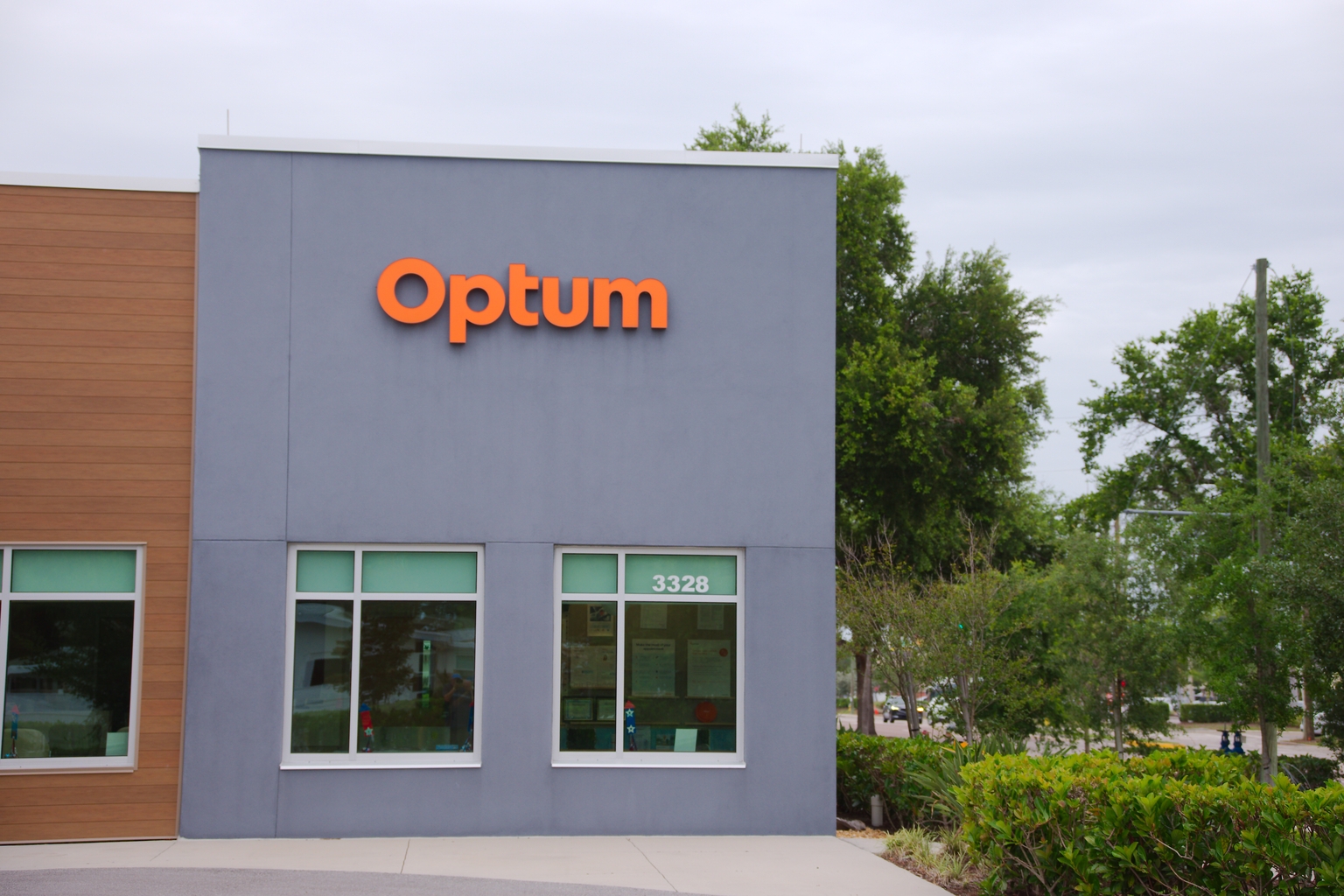
ChartMillUnitedHealth: Optum's Recovery Supports My Strong Buy Rating
SeekingAlphaFinal Trades: Amazon, UnitedHealth, eBay and Twilio
CNBCThe Zacks Analyst Blog Highlights UnitedHealth, ServiceNow, 3M and Coffee
YahooRBC Capital Maintains Outperform on UnitedHealth Group, Raises Price Target to $498
BenzingaTop Research Reports for UnitedHealth, ServiceNow & 3M
Yahoo






全部20篇文章 ↓收起 ↑
UnitedHealth Group (UNH) Has The Market Asking A Bigger Question
YahooFinal Trades: Twilio, Transocean and UnitedHealth
CNBCWhat Would It Take For Rising Medical Costs To Break UnitedHealth Stock?
TrefisIs UnitedHealth Group Stock a Buy After Another Solid Quarter?
The Motley FoolHealthcare ETFs to Buy as UnitedHealth Beats on Q3 Earnings
YahooUnitedHealth: My Thesis Has Played Out, I Wouldn't Chase Here (Rating Downgrade)
SeekingAlphaUnitedHealth: 3 Key Takeaways for Long-Term Investors
The Motley FoolUnitedHealth: Q3 Confirms The Bull Case
SeekingAlphaUnitedHealth's Q3 Margins Improve, But Membership Falls: Time to Buy?
YahooWhere Could UnitedHealth's Next Growth Come From?
TrefisBernstein Maintains Outperform on UnitedHealth Group, Lowers Price Target to $500
BenzingaJP Morgan Maintains Overweight on UnitedHealth Group, Raises Price Target to $524
BenzingaLearn Why The Bull Case For UnitedHealth Group Stock Could Change Following Earnings Beat
YahooUnitedHealth Fell 51.32%, Then Rose 40.64%. DIA’s Exposure Followed Both Moves by Design
24/7 Wall St.










新闻由第三方来源提供。不构成投资建议。
分析
数据生成以上所有数字均在每日重新生成时从本页自身的数据中读取。仅供参考,不构成投资建议。 数据截至2026年10月21日。
相关医疗保健计划股票
CVS Health Corporation
$1195.20亿
ELVElevance Health, Inc.
$941.49亿
CIThe Cigna Group
$798.80亿
HUMHumana Inc.
$510.85亿
CNCCentene Corporation
$341.65亿
MOHMolina Healthcare, Inc.
$112.18亿
医疗保健热门股票
Eli Lilly and Company
$1.13万亿
JNJJohnson & Johnson
$6212.24亿
ABBVAbbVie Inc.
$5032.75亿
MRKMerck & Co., Inc.
$3697.80亿
NVSNovartis AG
$2925.77亿