纽约证券交易所 · 餐饮 · USD
Darden Restaurants, Inc. (DRI) 股票分析
Darden Restaurants, Inc.(DRI)是在纽约证券交易所上市的餐饮股票,以美元交易。
最后更新: 2026年10月21日
价格走势
暂无价格数据
悬停查看每日收盘价。虚线表示区间起始价。
DRI 关键统计数据
数据截至2026年10月21日交易
- 开盘价
- $217.45
- 前收盘价
- $217.99
- 当日波动区间
- 212.83–218.44
- 52周波动区间
- 169.00–229.76
- 成交量
- 144.11万
- Beta系数股价相对大盘的波动幅度。1.0与大盘同步,高于1.0波动更大,低于1.0更小。
- 0.62
估值
- 市值
- $242.71亿
- 市盈率
- 20.83
- 预期市盈率股价除以未来一年的预测盈利,而非过去一年的实际盈利。
- 17.31
- PEG比率市盈率除以预期盈利增长率。把高市盈率放在增长速度的背景下衡量。
- 2.23
- 市销率市值除以年营业收入。适用于尚未盈利、无法计算市盈率的公司。
- 1.82
- 每股收益(近12个月)过去十二个月归属于每股的利润。
- 10.30
财务(财年)
- 营业收入(财年)
- $132.11亿+9.39%
- 净利润(财年)
- $12.07亿+14.97%
- 净利率扣除全部成本和税费后,营业收入中作为利润留存的比例。
- 8.85%
- 流通股数
- 1.13亿
- 一年回报率
- +18.05%
股息与日期
- 股息
- $6.48+2.97%
- 除息日
- 2026年10月9日
- 财报日期
- 2026年12月18日
- 平均成交量
- 117.18万
仅显示公司披露的指标。 数据由Yahoo Finance通过yfinance提供。每日更新。
关键数据
截至2026年10月21日,DRI收盘价为$214.52,1年回报率为+18.05%。
Darden Restaurants, Inc.(DRI)的市值为$242.71亿。
2025财年,DRI的营业收入为$132.11亿。
DRI 历年回报率
Darden Restaurants, Inc.(DRI)10年回报:$10,000变成了多少
- 1年
- $10,000 $11,805
- +18.05%
- 5年
- $10,000 $17,384
- +73.84%
- 10年
- $10,000 $45,228
- +352.28%
如果在10年前,即2016年10月21日收盘时,向Darden Restaurants, Inc.(DRI)投资$10,000,按2026年10月21日收盘价计算将变为$45,228:累计+352.28%,年化+16.29%,股息再投资。基于经拆股和股息调整的收盘价进行的历史测算,未计入费用和税费。
历年回报率根据每日收盘价计算。 不完整年度以浅色显示并标有星号。
| 年份 | 回报率 |
|---|---|
| 2026 (不完整年度) | +20.28% |
| 2025 | +1.56% |
| 2024 | +17.70% |
| 2023 | +22.83% |
| 2022 | −4.84% |
| 2021 | +29.48% |
| 2020 | +10.45% |
| 2019 | +12.29% |
| 2018 | +6.89% |
| 2017 | +35.99% |
| 2016 (不完整年度) | +17.09% |
数据截至2026年10月21日。
DRI 各财年营收与利润
财年截至五月| 财年 | 营业收入 | 净利润 | 净利率 |
|---|---|---|---|
| 2025 | $132.11亿 | $12.07亿 | 9.1% |
| 2024 | $120.77亿 | $10.50亿 | 8.7% |
| 2023 | $113.90亿 | $10.28亿 | 9.0% |
| 2022 | $104.88亿 | $9.82亿 | 9.4% |
| 财年 | 营业收入 | 毛利 | 营业利润 | 净利润 | 净利率 |
|---|---|---|---|---|---|
| 2025 | $132.11亿 | $28.63亿 | $16.07亿 | $12.07亿 | 9.1% |
| 2024 | $120.77亿 | $26.43亿 | $14.36亿 | $10.50亿 | 8.7% |
| 2023 | $113.90亿 | $24.35亿 | $13.51亿 | $10.28亿 | 9.0% |
| 2022 | $104.88亿 | $21.09亿 | $12.17亿 | $9.82亿 | 9.4% |
为公司报告货币口径的年度公布数据。 数据截至2026年5月31日。
DRI 股息历史
2025年每股股息 · 4次派息
| 年份 | 每股股息 | 派息次数 | 同比变化 |
|---|---|---|---|
| 2026* | $6.24 | 4 | — |
| 2025 | $5.80 | 4 | +7.0% |
| 2024 | $5.42 | 4 | +7.5% |
| 2023 | $5.04 | 4 | +9.1% |
| 年份 | 每股股息 | 派息次数 | 同比变化 |
|---|---|---|---|
| 2026 (不完整年度) | $6.24 | 4 | — |
| 2025 | $5.80 | 4 | +7.0% |
| 2024 | $5.42 | 4 | +7.5% |
| 2023 | $5.04 | 4 | +9.1% |
| 2022 | $4.62 | 4 | +33.9% |
| 2021 | $3.45 | 4 | +192.4% |
| 2020 | $1.18 | 2 | −63.8% |
| 2019 | $3.26 | 4 | +18.1% |
| 2018 | $2.76 | 4 | +16.0% |
| 2017 | $2.38 | 4 | — |
最近一次派息:每股$1.56,除息日2026年10月9日。 按除息日汇总的每股金额,以自然年计。 不完整年度以浅色显示并标有星号。
DRI估值与餐饮中位数对比
58只股票的中位数| 指标 | DRI | 餐饮中位数 | 相对中位数 |
|---|---|---|---|
| 市盈率 | 20.83 | 21.10 | 低1% |
| 市销率 | 1.82 | 1.21 | 高51% |
| 净利率 | 8.85% | 2.36% | 高6.5个百分点 |
基于58只披露该指标的餐饮股票的中位数。采用中位数而非平均值,异常值不会扭曲结果。 数据截至2026年10月21日。
最新新闻
Darden vs. McDonald’s: Which Restaurant Stock Is the Better Buy for Income Investors
24/7 Wall St.Darden Restaurants (DRI) Could Be 14% Undervalued On Its Dividend Update
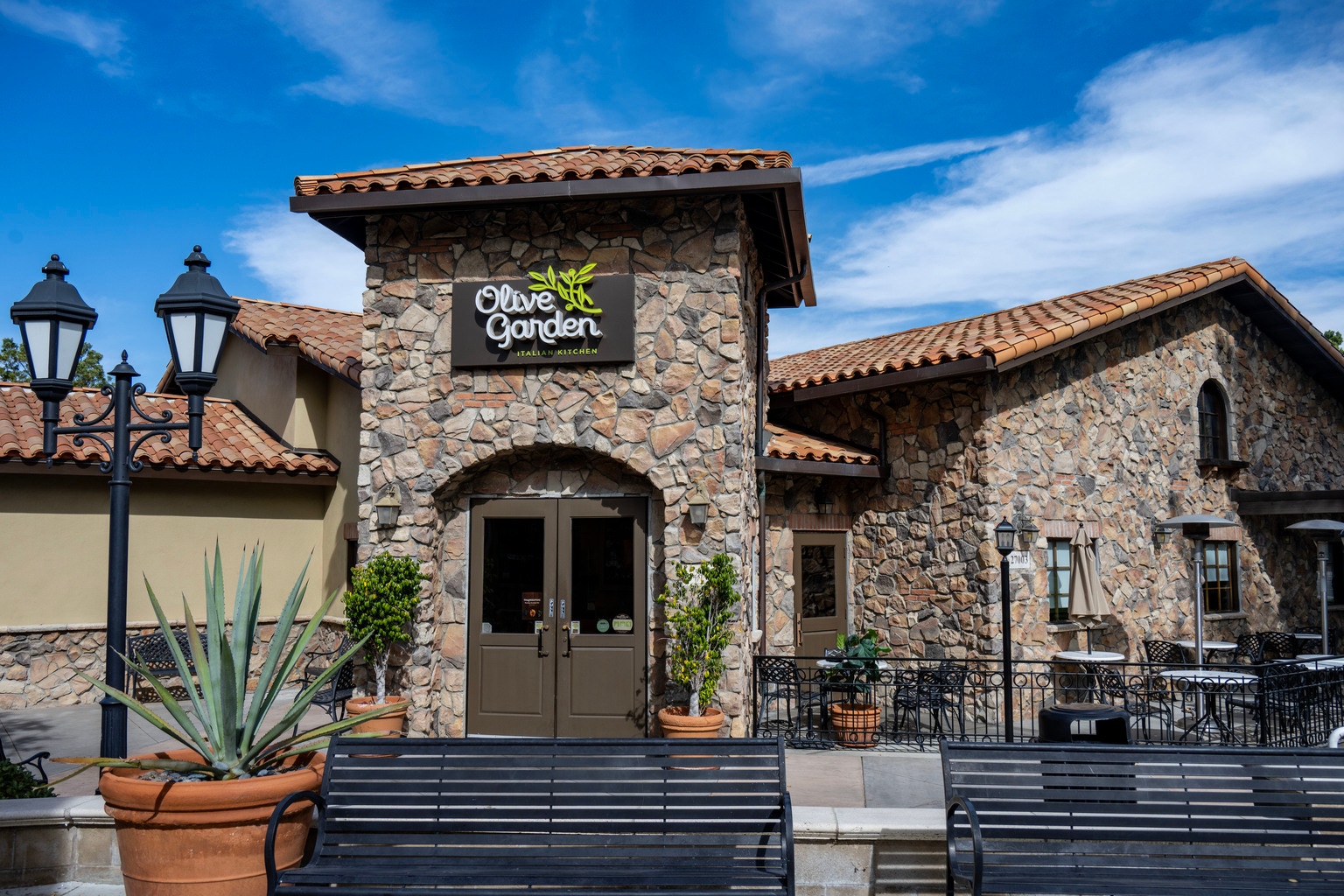
YahooDarden (DRI): LongHorn Keeps Carrying the Portfolio While Olive Garden’s Growth Fades
YahooDarden Restaurants (DRI) Stock May Be 13% Undervalued After Q1 Earnings Miss
YahooBetter Dividend Bet: DRI or SBUX? The Cash Flow Numbers Reveal a Clear Winner
24/7 Wall St.Darden Restaurants Serves Up Fresh Catalysts for a Stock Price Rally
MarketBeat





全部20篇文章 ↓收起 ↑
Darden Is Winning Share, but One Analyst Says the Stock Is Already Fairly Priced
BenzingaDarden: Don't Expect Much Out Of The Stock
SeekingAlphaCitigroup Maintains Buy on Darden Restaurants, Lowers Price Target to $247
BenzingaDRI Q3 Deep Dive: Margin Pressures and Consumer Trends Shape Restaurant Performance
YahooThese Analysts Revise Their Forecasts On Darden After Q1 Results
BenzingaGuggenheim Reiterates Buy on Darden Restaurants, Maintains $235 Price Target
BenzingaMizuho Maintains Outperform on Darden Restaurants, Raises Price Target to $245
BenzingaFreedom Capital Markets Maintains Buy on Darden Restaurants, Raises Price Target to $260
BenzingaBMO Capital Maintains Market Perform on Darden Restaurants, Lowers Price Target to $220
BenzingaBTIG Reiterates Buy on Darden Restaurants, Maintains $235 Price Target
BenzingaStephens & Co. Reiterates Equal-Weight on Darden Restaurants, Maintains $220 Price Target
BenzingaHow To Earn $500 A Month From Darden Restaurants Stock Ahead Of Q1 Earnings
YahooDarden (DRI) Q1 2027 Earnings Call Transcript
The Motley FoolDarden Restaurants Inc (DRI) (Q1 2027) Earnings Call Highlights: LongHorn and Yard House Fuel ...
Yahoo








新闻由第三方来源提供。不构成投资建议。
分析
数据生成以上所有数字均在每日重新生成时从本页自身的数据中读取。仅供参考,不构成投资建议。 数据截至2026年10月21日。
相关餐饮股票
McDonald's Corporation
$1742.57亿
SBUXStarbucks Corporation
$1129.51亿
YUMYum! Brands, Inc.
$412.74亿
CMGChipotle Mexican Grill, Inc.
$378.23亿
QSRRestaurant Brands International Inc.
$339.69亿
YUMCYum China Holdings, Inc.
$150.00亿
周期性消费热门股票
Amazon.com, Inc.
$2.83万亿
TSLATesla, Inc.
$1.53万亿
HDThe Home Depot, Inc.
$3134.14亿
BABAAlibaba Group Holding Limited
$2701.94亿
TMToyota Motor Corporation
$2295.07亿