纽约证券交易所 · 航空航天与国防 · USD
The Boeing Company (BA) 股票分析
The Boeing Company(BA)是在纽约证券交易所上市的航空航天与国防股票,以美元交易。
最后更新: 2026年10月21日
价格走势
暂无价格数据
悬停查看每日收盘价。虚线表示区间起始价。
BA 关键统计数据
数据截至2026年10月21日交易
- 开盘价
- $191.85
- 前收盘价
- $190.47
- 当日波动区间
- 189.12–193.26
- 52周波动区间
- 176.77–254.35
- 成交量
- 582.25万
- Beta系数股价相对大盘的波动幅度。1.0与大盘同步,高于1.0波动更大,低于1.0更小。
- 1.26
估值
- 市值
- $1505.42亿
- 市盈率
- 68.03
- 预期市盈率股价除以未来一年的预测盈利,而非过去一年的实际盈利。
- 50.69
- PEG比率市盈率除以预期盈利增长率。把高市盈率放在增长速度的背景下衡量。
- 1.50
- 市销率市值除以年营业收入。适用于尚未盈利、无法计算市盈率的公司。
- 1.60
- 每股收益(近12个月)过去十二个月归属于每股的利润。
- 2.80
财务(财年)
- 营业收入(财年)
- $894.63亿+34.50%
- 净利润(财年)
- $22.35亿
- 净利率扣除全部成本和税费后,营业收入中作为利润留存的比例。
- 2.59%
- 流通股数
- 7.90亿
- 一年回报率
- −11.50%
股息与日期
- 财报日期
- 2026年10月27日
- 平均成交量
- 676.47万
仅显示公司披露的指标。 数据由Yahoo Finance通过yfinance提供。每日更新。
关键数据
截至2026年10月21日,BA收盘价为$192.28,1年回报率为−11.50%。
The Boeing Company(BA)的市值为$1505.42亿。
2025财年,BA的营业收入为$894.63亿。
BA 历年回报率
The Boeing Company(BA)10年回报:$10,000变成了多少
- 1年
- $10,000 $8,850
- −11.50%
- 5年
- $10,000 $8,971
- −10.29%
- 10年
- $10,000 $15,408
- +54.08%
如果在10年前,即2016年10月21日收盘时,向The Boeing Company(BA)投资$10,000,按2026年10月21日收盘价计算将变为$15,408:累计+54.08%,年化+4.42%,股息再投资。基于经拆股和股息调整的收盘价进行的历史测算,未计入费用和税费。
历年回报率根据每日收盘价计算。 不完整年度以浅色显示并标有星号。
| 年份 | 回报率 |
|---|---|
| 2026 (不完整年度) | −11.44% |
| 2025 | +22.67% |
| 2024 | −32.10% |
| 2023 | +36.84% |
| 2022 | −5.38% |
| 2021 | −5.95% |
| 2020 | −33.90% |
| 2019 | +3.34% |
| 2018 | +11.50% |
| 2017 | +94.71% |
| 2016 (不完整年度) | +19.66% |
数据截至2026年10月21日。
BA 各财年营收与利润
财年截至十二月| 财年 | 营业收入 | 净利润 | 净利率 |
|---|---|---|---|
| 2025 | $894.63亿 | $22.35亿 | 2.5% |
| 2024 | $665.17亿 | −$118.17亿 | −17.8% |
| 2023 | $777.94亿 | −$22.22亿 | −2.9% |
| 2022 | $666.08亿 | −$49.35亿 | −7.4% |
| 财年 | 营业收入 | 毛利 | 营业利润 | 净利润 | 净利率 |
|---|---|---|---|---|---|
| 2025 | $894.63亿 | $42.89亿 | −$54.16亿 | $22.35亿 | 2.5% |
| 2024 | $665.17亿 | −$19.91亿 | −$108.24亿 | −$118.17亿 | −17.8% |
| 2023 | $777.94亿 | $77.24亿 | −$8.21亿 | −$22.22亿 | −2.9% |
| 2022 | $666.08亿 | $35.30亿 | −$35.09亿 | −$49.35亿 | −7.4% |
为公司报告货币口径的年度公布数据。 数据截至2025年12月31日。
BA 股息历史
2020年每股股息 · 1次派息
| 年份 | 每股股息 | 派息次数 | 同比变化 |
|---|---|---|---|
| 2020 | $2.06 | 1 | −75.0% |
| 2019 | $8.22 | 4 | +20.2% |
| 2018 | $6.84 | 4 | +20.4% |
| 2017 | $5.68 | 4 | +421.1% |
| 年份 | 每股股息 | 派息次数 | 同比变化 |
|---|---|---|---|
| 2020 | $2.06 | 1 | −75.0% |
| 2019 | $8.22 | 4 | +20.2% |
| 2018 | $6.84 | 4 | +20.4% |
| 2017 | $5.68 | 4 | +421.1% |
| 2016 | $1.09 | 1 | — |
最近一次派息:每股$2.06,除息日2020年2月13日。 按除息日汇总的每股金额,以自然年计。 不完整年度以浅色显示并标有星号。
BA估值与航空航天与国防中位数对比
98只股票的中位数| 指标 | BA | 航空航天与国防中位数 | 相对中位数 |
|---|---|---|---|
| 市盈率 | 68.03 | 33.91 | 高101% |
| 市销率 | 1.60 | 3.81 | 低58% |
| 净利率 | 2.59% | 5.29% | 低2.7个百分点 |
基于98只披露该指标的航空航天与国防股票的中位数。采用中位数而非平均值,异常值不会扭曲结果。 数据截至2026年10月21日。
最新新闻
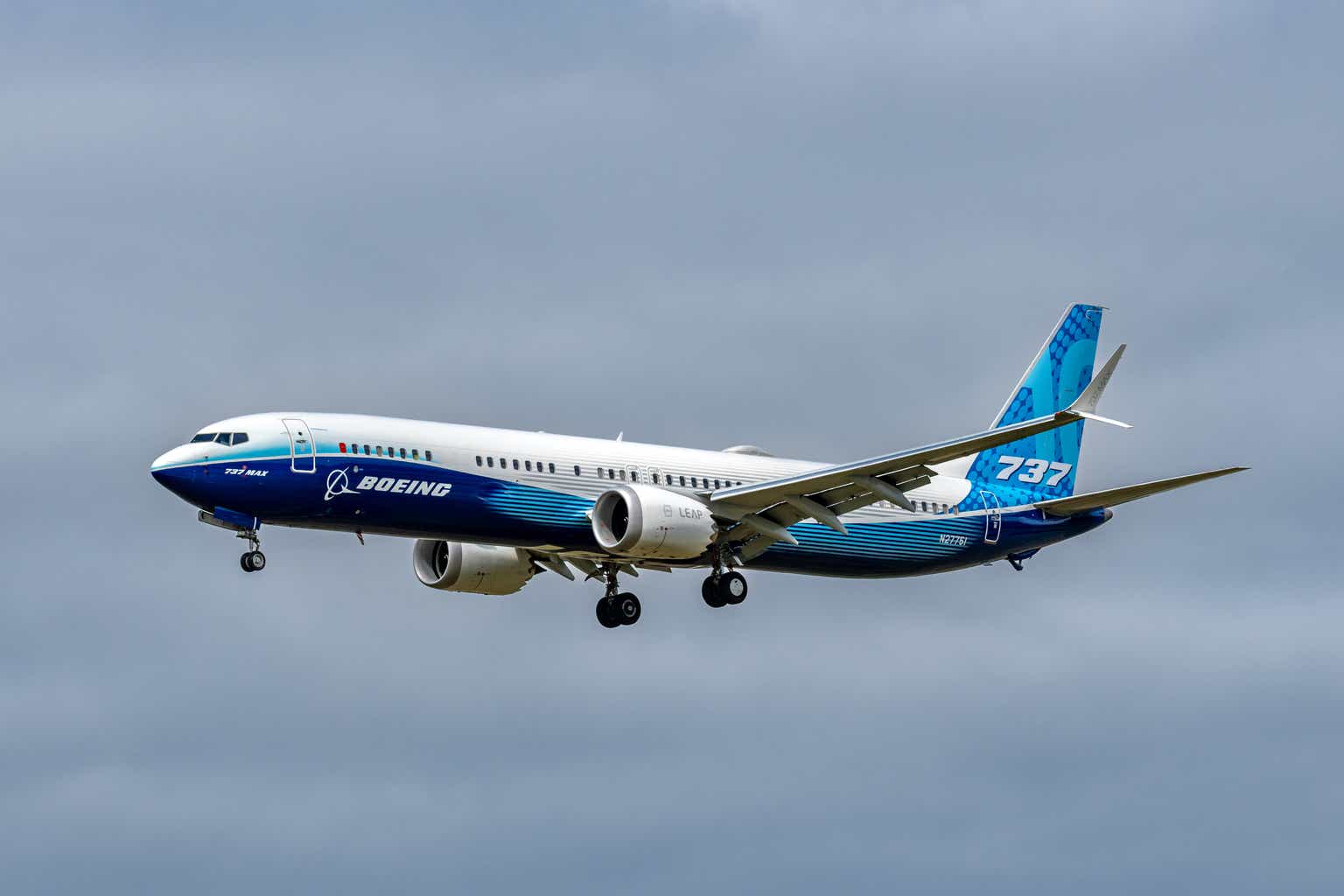
FAA Clears Boeing’s MAX 10 After Long Wait, But BA Traders Say Deliveries Will Drive The Stock
StocktwitsGE Aerospace Posts Record Q3 Results: Time to Buy the Dip?
YahooTechnology Leaders from Leading Organizations Across Colorado and the Rocky Mountain Region to Speak at HMG Strategy's 14th Annual Denver CIO Executive Leadership Summit
YahooThe Big Concern Behind GE’s Earnings Beat Stock Tumble
YahooGE Aerospace Reports Strong Earnings Again. What Will It Take to Lift the Stock?
YahooMagnificent Seven Are Losing Their Earnings Luster
Yahoo






全部20篇文章 ↓收起 ↑
BAE Systems Unveils Advanced Systems to Strengthen Missile Defense
YahooBoeing Averts a Strike as the FAA Reviews 737 MAX Software. Here’s What Investors Need to Know
TIKRBoeing’s Sales Chief Is Retiring. The Harder Job Is Turning $27.5 Billion of Built-Up Jet Costs Into Cash
TIKRBoeing: The Real Test Of Its Recovery Begins Now
SeekingAlphaAnother national airline GOL cancels all U.S. flights due to low demand
TheStreetHexcel And 2 Other Space Stocks To Watch
YahooBoeing Fell Back Below $200 Ahead of a Strike Deadline. Here's Why I'd Buy the Fear After New Contracts Were Signed
The Motley FoolHexcel Gears Up to Report Q3 Earnings: What's in the Cards?
YahooBoeing's Secret Weapon Isn't on the Factory Floor -- It's in the Boardroom
The Motley FoolThese dow jones stocks are moving in today's session
ChartMillThe Real Reason Defense Stocks Are Tanking
YahooHere is What to Know Beyond Why The Boeing Company (BA) is a Trending Stock
Yahoo'Israel seeks urgent NIS 1b. purchase of Apache helicopters, diverting Arab sector funds' - The Jerusalem Post
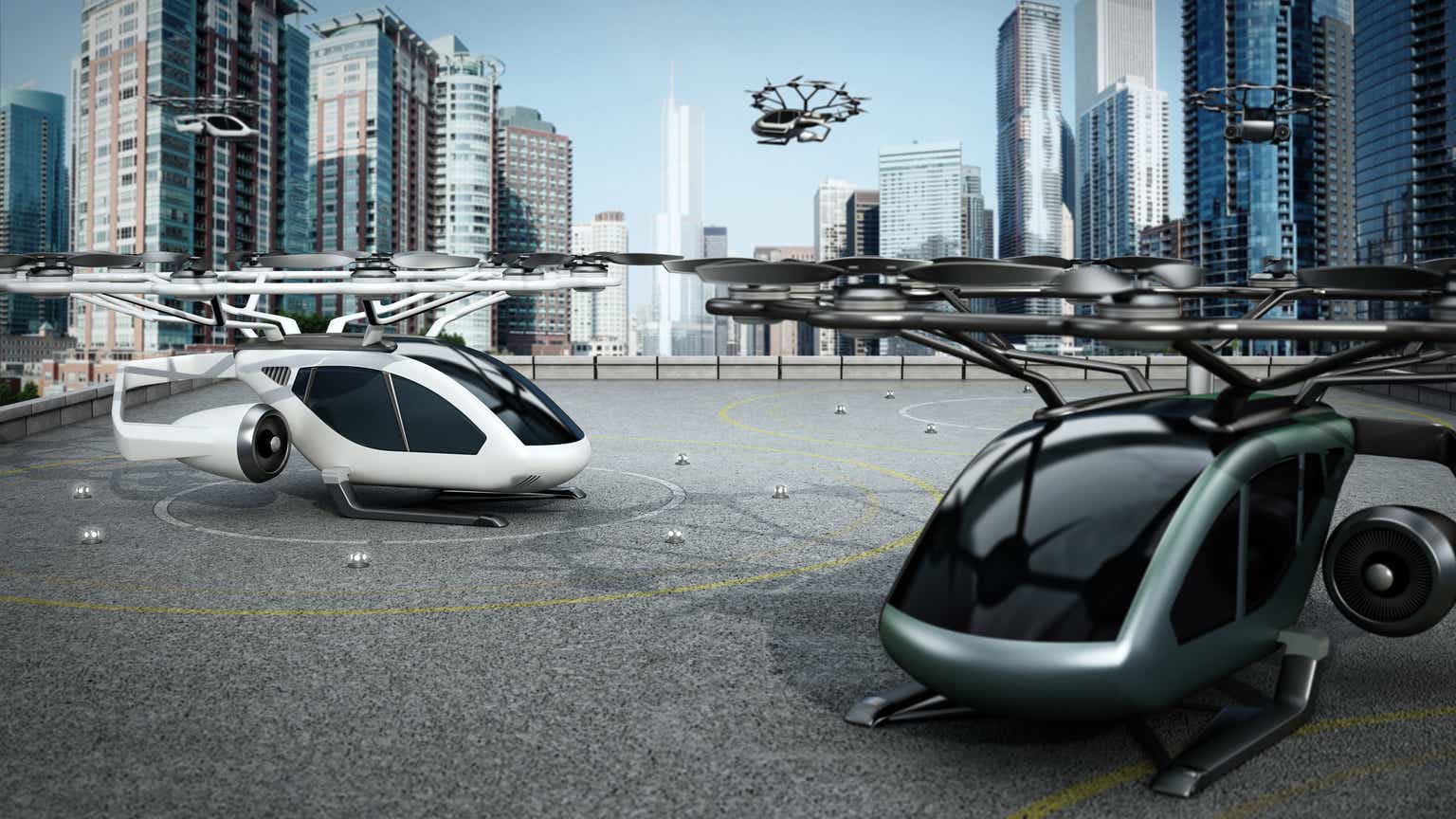
BenzingaArcher Aviation: Boeing Is The Game Changer
SeekingAlpha





新闻由第三方来源提供。不构成投资建议。
分析
数据生成以上所有数字均在每日重新生成时从本页自身的数据中读取。仅供参考,不构成投资建议。 数据截至2026年10月21日。
相关航空航天与国防股票
Space Exploration Technologies Corp.
$2.10万亿
GEGE Aerospace
$3069.94亿
RTXRTX Corporation
$2582.30亿
LMTLockheed Martin Corporation
$1272.83亿
GDGeneral Dynamics Corporation
$932.64亿
HWMHowmet Aerospace Inc.
$830.11亿
工业热门股票
Caterpillar Inc.
$3359.12亿
GEVGE Vernova Inc.
$2466.04亿
DEDeere & Company
$1716.27亿
UNPUnion Pacific Corporation
$1710.17亿
ETNEaton Corporation plc
$1530.06亿