NYSE · Transporte Marítimo · USD
Okeanis Eco Tankers Corp. (ECO) Análise de ações
Okeanis Eco Tankers Corp. (ECO) é uma ação do setor Transporte Marítimo cotada na NYSE em Dólar americano.
Última atualização: 21 de outubro de 2026
Histórico de Preços
Nenhum dado de preço disponível
Passe o cursor para ver o fecho diário. A linha tracejada marca a abertura do período.
Estatísticas principais de ECO
Dados de 21 de out. de 2026Negociação
- Abertura
- $ 87,84
- Fecho anterior
- $ 88,19
- Intervalo do dia
- 87,55–92,15
- Intervalo 52 semanas
- 30,58–100,68
- Volume
- 600,67 mil
- BetaQuanto a ação se move em relação ao mercado. 1,0 acompanha o mercado; acima oscila mais, abaixo menos.
- −0,06
Avaliação
- Capitalização
- $ 3,56 bi
- Índice P/L
- 8,45
- P/L estimadoPreço da ação dividido pelo lucro previsto para o próximo ano, em vez do ano passado.
- 15,38
- Rácio P/VValor de mercado dividido pelas receitas anuais. Útil para empresas sem lucro, onde não há P/L.
- 5,04
- LPA (12 m)Lucro atribuível a cada ação nos últimos doze meses.
- 10,80
Finanças (ano fiscal)
- Receitas (ano fiscal)
- $ 391,55 mi−0,43%
- Lucro líquido (ano fiscal)
- $ 122,95 mi+12,94%
- Margem de lucroParte das receitas que sobra como lucro depois de custos e impostos.
- 56,92%
- Ações em circulação
- 39,04 mi
- Retorno 1 ano
- +213,82%
Dividendo e datas
- Dividendo
- $ 9,55+10,83%
- Data ex-dividendo
- 14 de agosto de 2026
- Data de resultados
- 11 de novembro de 2026
- Volume Médio
- 695,61 mil
Apenas são apresentadas as métricas que a empresa reporta. Dados fornecidos pelo Yahoo Finance via yfinance. Atualizado diariamente.
Dados principais
Em 21 de outubro de 2026, ECO fechou em $ 91,23, +213,82% em 1 ano.
Okeanis Eco Tankers Corp. (ECO) tem um valor de mercado de $ 3,56 bi.
No exercício de 2025, ECO registrou receita de $ 391,55 mi.
Retorno de ECO por ano civil
Retorno desde ago. de 2023: no que se transformaram $ 10.000 investidos em Okeanis Eco Tankers Corp. (ECO)
- 1 ano
- $ 10.000 $ 31.382
- +213,82%
- 3 anos
- $ 10.000 $ 41.670
- +316,70%
- Desde ago. de 2023
- $ 10.000 $ 47.302
- +373,02%
Se você tivesse investido $ 10.000 em Okeanis Eco Tankers Corp. (ECO) no fechamento de 14 de agosto de 2023, o fechamento mais antigo registrado aqui, o investimento valeria $ 47.302 no fechamento de 21 de outubro de 2026: +373,02% no total, +62,84% ao ano, com os dividendos reinvestidos, em um período parcial inferior a 10 anos. Cálculo histórico a partir de preços de fechamento ajustados por desdobramentos e dividendos, antes de taxas e impostos.
Retornos por ano civil calculados sobre os preços de fecho diários. Os anos parciais são apresentados em tom mais claro e assinalados com um asterisco.
| Ano | Retorno |
|---|---|
| 2026 (ano parcial) | +188,32% |
| 2025 | +64,17% |
| 2024 | −11,70% |
| 2023 (ano parcial) | +13,17% |
Dados de 21 de outubro de 2026.
Receitas e lucros de ECO por ano fiscal
O ano fiscal termina em dezembro| Ano fiscal | Receitas | Lucro líquido | Margem líquida |
|---|---|---|---|
| 2025 | $ 391,55 mi | $ 122,95 mi | 31,4% |
| 2024 | $ 393,23 mi | $ 108,86 mi | 27,7% |
| 2023 | $ 413,10 mi | $ 145,25 mi | 35,2% |
| 2022 | $ 270,97 mi | $ 84,56 mi | 31,2% |
| Ano fiscal | Receitas | Lucro bruto | Resultado operacional | Lucro líquido | Margem líquida |
|---|---|---|---|---|---|
| 2025 | $ 391,55 mi | $ 183,00 mi | $ 162,53 mi | $ 122,95 mi | 31,4% |
| 2024 | $ 393,23 mi | $ 182,47 mi | $ 162,94 mi | $ 108,86 mi | 27,7% |
| 2023 | $ 413,10 mi | $ 221,41 mi | $ 201,12 mi | $ 145,25 mi | 35,2% |
| 2022 | $ 270,97 mi | $ 123,18 mi | $ 110,12 mi | $ 84,56 mi | 31,2% |
Valores anuais conforme reportados, na moeda de relato da empresa. Dados de 31 de dezembro de 2025.
Histórico de dividendos de ECO
Dividendos por ação, 2025 · 2 pagamentos
| Ano | Dividendo por ação | Pagamentos | Variação |
|---|---|---|---|
| 2026* | $ 8,80 | 3 | — |
| 2025 | $ 0,67 | 2 | −79,8% |
| 2024 | $ 3,31 | 4 | +57,6% |
| 2023 | $ 2,10 | 2 | — |
Último pagamento: $ 2,93 por ação, ex-dividendo em 13 de agosto de 2026. Valores por ação somados por ano civil a partir das datas ex-dividendo. Os anos parciais são apresentados em tom mais claro e assinalados com um asterisco.
Avaliação de ECO face à mediana de Transporte Marítimo
Mediana de 40 ações| Métrica | ECO | Mediana de Transporte Marítimo | Face à mediana |
|---|---|---|---|
| P/L | 8,45 | 9,45 | 11% abaixo |
| Rácio P/V | 5,04 | 1,61 | 3,1x a mediana |
| Margem de lucro | 56,92% | 22,27% | 34,6 p.p. acima |
Medianas de 40 ações de Transporte Marítimo que reportam a métrica. Medianas, não médias, para que um valor atípico não as desloque. Dados de 21 de outubro de 2026.
Notícias Recentes
Okeanis Riding Record Profits as Uncertainty Grows
MarketBeatOkeanis Eco Tankers: Peace Window Closed, Expect A Blowout Q4 Dividend (Upgrade)
SeekingAlphaOkeanis Eco Tankers: Peace Will Not Crash Rates - Reiterating Strong Buy
SeekingAlphaWhy Did Okeanis Eco Tankers (OB:OET) Climb And Draw Fresh Attention?
YahooECO or SBLK: Which Shipping Company Is a Stronger Play Now?
YahooB. Riley Securities Maintains Buy on Okeanis Eco Tankers, Raises Price Target to $100
Benzinga





Todos os 20 artigos ↓Mostrar menos ↑
Is Okeanis Eco Tankers Corp. (ECO) Outperforming Other Transportation Stocks This Year?
YahooOkeanis Eco Tankers Corp. (ECO) Upgraded to Strong Buy: Here's What You Should Know
YahooOkeanis Eco Tankers Corp. (ECO) Is Up 11.56% in One Week: What You Should Know
YahooEco (Atlantic) Oil & Gas rises 8% as Navitas deal brings US$4 million
Proactive InvestorsOkeanis Eco Tankers (OB:OET) Could Be 26% Overvalued On Tanker Supply Optimism
YahooHere's Why Investors Should Bet on ECO Stock Right Now
YahooOkeanis Eco Tankers (NYSE:ECO) Clears Minervini Trend Template but Setup Demands Patience
ChartMillOkeanis Eco Tankers: An Impressive Mix Of Fleet Growth And Yield
SeekingAlphaHas Okeanis Eco Tankers Corp. (ECO) Outpaced Other Transportation Stocks This Year?
YahooOkeanis Eco Tankers: Extraordinary Rates Keep The Bull Case Alive
SeekingAlphaOkeanis Eco Tankers: The Market Is Pricing In An Earnings Collapse
SeekingAlphaOkeanis Eco Tankers Corp. (ECO) Q2 2026 Earnings Call Transcript
SeekingAlphaOkeanis Eco Tankers Corp. 2026 Q2 - Results - Earnings Call Presentation
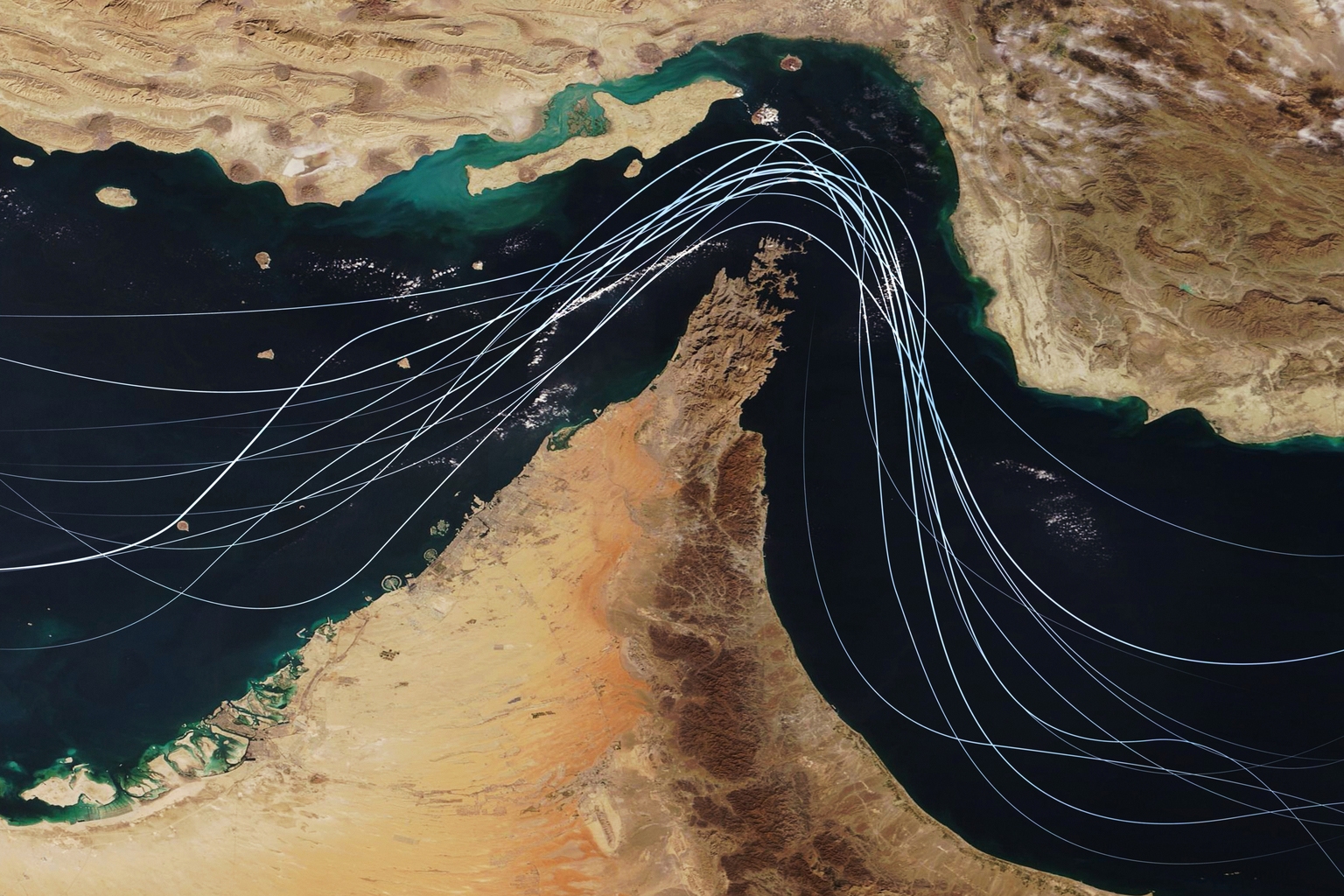
SeekingAlphaOkeanis: Strait Of Hormuz Operations Fuel Record Dividends (Upgrade)
SeekingAlpha








Notícias fornecidas por fontes de terceiros. Não constitui aconselhamento financeiro.
Análise
Derivado de dadosTodos os valores acima são lidos dos próprios dados desta página em cada reconstrução diária. Apenas para fins informativos, não constitui aconselhamento financeiro. Dados de 21 de outubro de 2026.
Ações Similares de Transporte Marítimo
Kirby Corporation
$ 7,25 bi
MATXMatson, Inc.
$ 7,03 bi
HAFNHafnia Limited
$ 5,64 bi
ZIMZIM Integrated Shipping Services Ltd.
$ 3,51 bi
SBLKStar Bulk Carriers Corp.
$ 3,35 bi
NMMNavios Maritime Partners L.P.
$ 2,55 bi
Ações populares de Industriais
Space Exploration Technologies Corp.
$ 2,10 tri
CATCaterpillar Inc.
$ 335,91 bi
GEGE Aerospace
$ 306,99 bi
RTXRTX Corporation
$ 258,23 bi
GEVGE Vernova Inc.
$ 246,60 bi