TEX · तेल और गैस शोधन और विपणन · USD
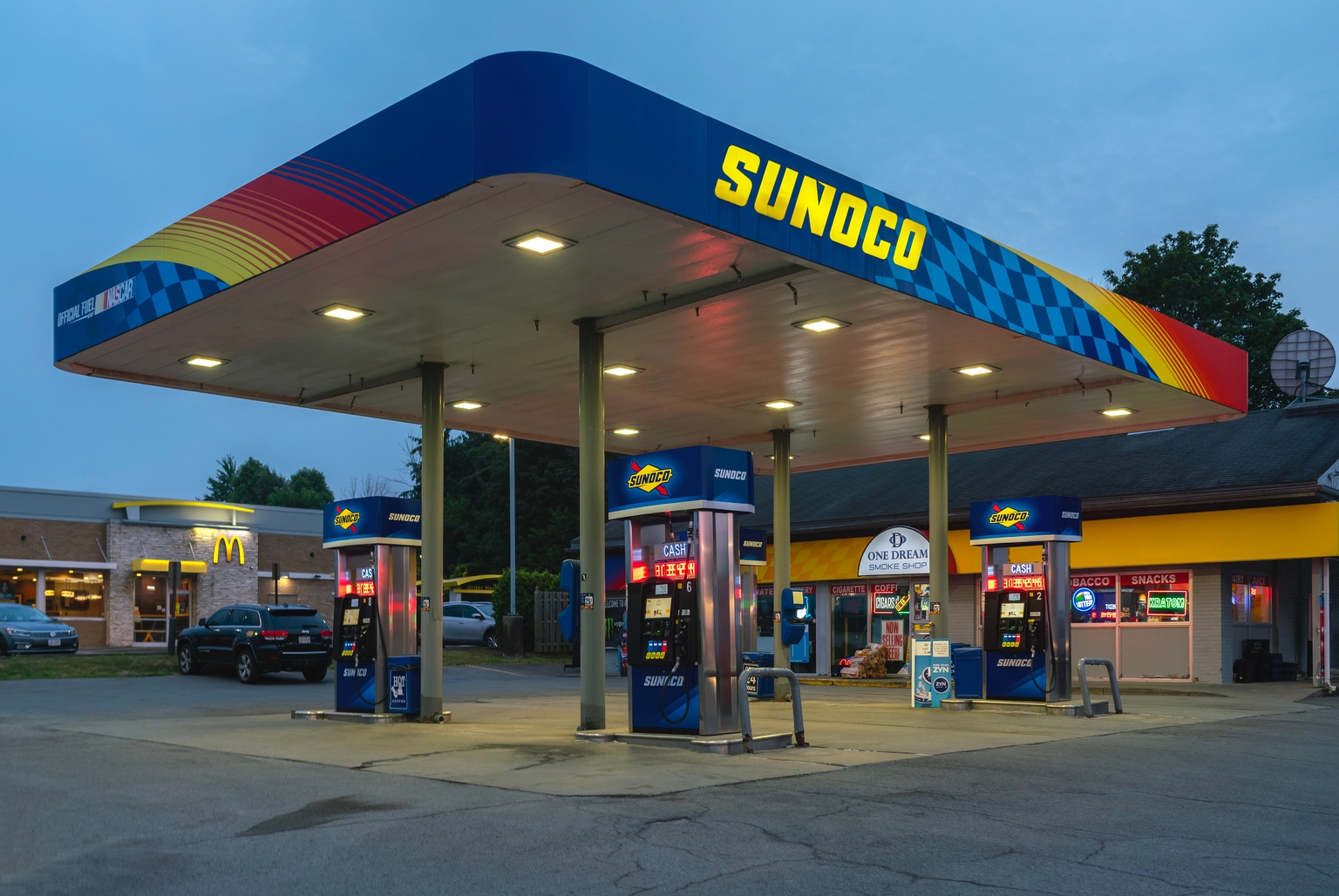
Sunoco LP (SUN) स्टॉक विश्लेषण
Sunoco LP (SUN) तेल और गैस शोधन और विपणन क्षेत्र का स्टॉक है, जो TEX पर सूचीबद्ध है और यूएस डॉलर में कारोबार करता है।
अंतिम अपडेट: 21 अक्टूबर 2026
प्राइस हिस्ट्री
कोई प्राइस डेटा उपलब्ध नहीं है
दैनिक क्लोजिंग प्राइस देखने के लिए कर्सर ले जाएं। बिंदीदार रेखा अवधि का शुरुआती भाव दर्शाती है।
SUN मुख्य आंकड़े
21 अक्टू॰ 2026 तक के आंकड़े।ट्रेडिंग
- ओपन
- $73.99
- पिछला बंद भाव
- $73.56
- दिन की रेंज
- 73.17–74.47
- 52-सप्ताह रेंज
- 49.98–80.22
- वॉल्यूम
- 2.00 लाख
- बीटाशेयर की कीमत बाज़ार की तुलना में कितनी चलती है। 1.0 बाज़ार के बराबर, इससे अधिक अधिक उतार-चढ़ाव, कम पर कम।
- 0.43
मूल्यांकन
- मार्केट कैप
- $13.84 अ॰
- P/E अनुपात
- 16.21
- अनुमानित P/Eशेयर मूल्य को बीते वर्ष के बजाय आगामी वर्ष की अनुमानित आय से भाग देकर।
- 18.63
- PEG अनुपातP/E अनुपात को अपेक्षित आय वृद्धि दर से भाग देकर निकाला जाता है। यह ऊंचे P/E को वृद्धि के संदर्भ में रखता है।
- 8.54
- P/S अनुपातबाज़ार मूल्य को वार्षिक राजस्व से भाग देकर। उन कंपनियों के लिए उपयोगी जो लाभ में नहीं हैं और जिनका P/E नहीं निकलता।
- 0.35
- EPS (12 माह)पिछले बारह महीनों में प्रति शेयर आने वाला लाभ।
- 4.53
वित्तीय (वित्त वर्ष)
- राजस्व (वित्त वर्ष)
- $25.20 अ॰+11.05%
- शुद्ध आय (वित्त वर्ष)
- $31.30 क॰−56.28%
- लाभ मार्जिनसभी लागत और करों के बाद राजस्व का वह हिस्सा जो लाभ के रूप में बचता है।
- 2.93%
- बकाया शेयर
- 13.69 क॰
- 1-वर्ष रिटर्न
- +46.28%
लाभांश और तिथियां
- लाभांश
- $4.01+5.45%
- एक्स-डिविडेंड तिथि
- 7 अगस्त 2026
- परिणाम तिथि
- 3 नवंबर 2026
- औसत वॉल्यूम
- 5.18 लाख
केवल वे मापदंड दिखाए जाते हैं जो कंपनी रिपोर्ट करती है। डेटा yfinance के माध्यम से Yahoo Finance द्वारा प्रदान किया गया है। दैनिक अपडेट।
मुख्य तथ्य
21 अक्टूबर 2026 तक, SUN $73.44 पर बंद हुआ, 1 वर्ष में +46.28%।
Sunoco LP (SUN) का बाजार पूंजीकरण $13.84 अ॰ है।
वित्त वर्ष 2025 में, SUN ने $25.20 अ॰ का राजस्व दर्ज किया।
SUN वर्षवार रिटर्न
Sunoco LP (SUN) का 10 साल का रिटर्न: $10,000 का निवेश कितना हुआ
- 1 वर्ष
- $10,000 $14,628
- +46.28%
- 5 वर्ष
- $10,000 $24,867
- +148.67%
- 10 वर्ष
- $10,000 $61,330
- +513.30%
अगर आपने 10 साल पहले, 21 अक्टूबर 2016 के क्लोजिंग प्राइस पर, Sunoco LP (SUN) में $10,000 का निवेश किया होता, तो 21 अक्टूबर 2026 के क्लोजिंग प्राइस पर उसका मूल्य $61,330 होता: कुल +513.30%, सालाना +19.89%, लाभांश के पुनर्निवेश सहित। स्प्लिट और लाभांश के लिए समायोजित क्लोजिंग प्राइस पर आधारित ऐतिहासिक गणना, शुल्क और कर से पहले।
कैलेंडर वर्ष रिटर्न दैनिक क्लोजिंग प्राइस से गणना किए गए हैं। आंशिक वर्ष हल्के रंग में और तारांकन के साथ दिखाए जाते हैं।
| वर्ष | रिटर्न |
|---|---|
| 2026 (आंशिक वर्ष) | +46.50% |
| 2025 | +8.88% |
| 2024 | −8.59% |
| 2023 | +49.38% |
| 2022 | +13.95% |
| 2021 | +55.26% |
| 2020 | +6.28% |
| 2019 | +24.79% |
| 2018 | +7.72% |
| 2017 | +17.87% |
| 2016 (आंशिक वर्ष) | −8.70% |
21 अक्टूबर 2026 तक के आंकड़े।
SUN वित्तीय वर्ष अनुसार राजस्व और आय
वित्त वर्ष दिसंबर में समाप्त| वित्तीय वर्ष | राजस्व | शुद्ध आय | शुद्ध मार्जिन |
|---|---|---|---|
| 2025 | $25.20 अ॰ | $31.30 क॰ | 1.2% |
| 2024 | $22.69 अ॰ | $71.60 क॰ | 3.2% |
| 2023 | $23.07 अ॰ | $31.10 क॰ | 1.3% |
| 2022 | $25.73 अ॰ | $39.70 क॰ | 1.5% |
| वित्तीय वर्ष | राजस्व | सकल लाभ | परिचालन आय | शुद्ध आय | शुद्ध मार्जिन |
|---|---|---|---|---|---|
| 2025 | $25.20 अ॰ | $2.10 अ॰ | $92.90 क॰ | $31.30 क॰ | 1.2% |
| 2024 | $22.69 अ॰ | $1.73 अ॰ | $83.60 क॰ | $71.60 क॰ | 3.2% |
| 2023 | $23.07 अ॰ | $1.18 अ॰ | $62.80 क॰ | $31.10 क॰ | 1.3% |
| 2022 | $25.73 अ॰ | $1.19 अ॰ | $66.50 क॰ | $39.70 क॰ | 1.5% |
कंपनी की रिपोर्टिंग मुद्रा में, रिपोर्ट किए गए वार्षिक आंकड़े। 31 दिसंबर 2025 तक के आंकड़े।
SUN लाभांश इतिहास
प्रति शेयर लाभांश, 2025 · 4 भुगतान
| वर्ष | प्रति शेयर लाभांश | भुगतान | बदलाव |
|---|---|---|---|
| 2026* | $2.92 | 3 | — |
| 2025 | $3.61 | 4 | +4.1% |
| 2024 | $3.47 | 4 | +3.5% |
| 2023 | $3.35 | 4 | +1.5% |
| वर्ष | प्रति शेयर लाभांश | भुगतान | बदलाव |
|---|---|---|---|
| 2026 (आंशिक वर्ष) | $2.92 | 3 | — |
| 2025 | $3.61 | 4 | +4.1% |
| 2024 | $3.47 | 4 | +3.5% |
| 2023 | $3.35 | 4 | +1.5% |
| 2022 | $3.30 | 4 | +0.0% |
| 2021 | $3.30 | 4 | +0.0% |
| 2020 | $3.30 | 4 | +0.0% |
| 2019 | $3.30 | 4 | +0.0% |
| 2018 | $3.30 | 4 | +0.0% |
| 2017 | $3.30 | 4 | +300.0% |
| 2016 | $0.83 | 1 | — |
नवीनतम भुगतान: $0.97 प्रति शेयर, एक्स-डिविडेंड 7 अगस्त 2026। एक्स-डिविडेंड तिथियों के आधार पर कैलेंडर वर्ष अनुसार जोड़ी गई प्रति शेयर राशि। आंशिक वर्ष हल्के रंग में और तारांकन के साथ दिखाए जाते हैं।
SUN मूल्यांकन बनाम तेल और गैस शोधन और विपणन माध्यिका
19 स्टॉक की माध्यिका| मापदंड | SUN | तेल और गैस शोधन और विपणन माध्यिका | माध्यिका से |
|---|---|---|---|
| P/E | 16.21 | 16.21 | 0% अधिक |
| P/S अनुपात | 0.35 | 0.41 | 15% कम |
| लाभ मार्जिन | 2.93% | 2.59% | 0.3 अंक अधिक |
19 तेल और गैस शोधन और विपणन स्टॉक की माध्यिका जो यह मापदंड बताते हैं। औसत नहीं, माध्यिका — इसलिए एक असामान्य मान इसे प्रभावित नहीं करता। 21 अक्टूबर 2026 तक के आंकड़े।
हाल की खबरें
Sunoco LP (NYSE:SUN) Fits Minervini Trend Template with High Growth Momentum
ChartMillSunoco LP and SunocoCorp LLC Announce Third Quarter 2026 Earnings Release and Call Timing
YahooHere's Why Sunoco LP (SUN) Fell More Than Broader Market
YahooSunoco LP (NYSE:SUN) Nears Breakout as High Growth Momentum Builds
ChartMillSunoco LP (SUN) Advances While Market Declines: Some Information for Investors
YahooSunocoCorp (SUNC) Dropped, So What Is Drawing Attention Now?
Yahoo





सभी 20 लेख ↓कम दिखाएं ↑
Is Sunoco (SUN) Still Below Fair Value After Its Strong 1 Year Run?
YahooIs Sunoco (SUN) Stock Undervalued Right Now?
YahooSunoco Stock Breaks Out; Oil Prices Rise With No Clear End To Hormuz Closure
YahooUpdate On Sunoco As The Stock Migrates From New York To Texas
SeekingAlphaSunoco LP and SunocoCorp LLC to Transfer Listings to the Texas Stock Exchange
YahooEnergy Transfer, Sunoco And SunocoCorp To Transfer Their Listings Of Common Units From NYSE To Texas Stock Exchange
BenzingaSunoco LP (NYSE:SUN) Passes Minervini Trend and High-Growth Momentum Checklist
ChartMillAre You Looking for a Top Momentum Pick? Why Sunoco LP (SUN) is a Great Choice
YahooWhy Is Sunoco LP (SUN) Up 4.2% Since Last Earnings Report?
YahooShould Value Investors Buy Sunoco (SUN) Stock?
YahooIs Sunoco LP (SUN) a Buy as Wall Street Analysts Look Optimistic?
YahooGas Price Pain? Enjoy Massive Dividend Growth: Sunoco
SeekingAlphaCitigroup Maintains Buy on Sunoco, Raises Price Target to $81
BenzingaWells Fargo Maintains Overweight on Sunoco, Raises Price Target to $82
Benzinga







तृतीय-पक्ष स्रोतों द्वारा प्रदान की गई समाचार। वित्तीय सलाह नहीं है।
विश्लेषण
डेटा-आधारितऊपर दिया गया हर आंकड़ा हर दैनिक पुनर्निर्माण में इसी पृष्ठ के अपने डेटा से पढ़ा जाता है। यह केवल जानकारी के लिए है, वित्तीय सलाह नहीं। 21 अक्टूबर 2026 तक के आंकड़े।
संबंधित तेल और गैस शोधन और विपणन स्टॉक्स
Marathon Petroleum Corporation
$1.31 ख॰
VLOValero Energy Corporation
$1.26 ख॰
PSXPhillips 66
$1.16 ख॰
DINOHF Sinclair Corporation
$22.32 अ॰
PBFPBF Energy Inc.
$9.67 अ॰
UGPUltrapar Participações S.A.
$8.49 अ॰
लोकप्रिय ऊर्जा स्टॉक
ExxonMobil Holdings Corporation
$7.32 ख॰
CVXChevron Corporation
$4.45 ख॰
SHELShell plc
$3.00 ख॰
TTETotalEnergies SE
$1.99 ख॰
COPConocoPhillips
$1.75 ख॰