NASDAQ · Services de Technologies de l'Information · USD
SharonAI Holdings Inc. (SHAZ) Analyse boursière
SharonAI Holdings Inc. (SHAZ) est une action du secteur Services de Technologies de l'Information cotée sur NASDAQ et libellée en dollar des États-Unis.
Dernière mise à jour : 21 octobre 2026
Historique des Prix
Aucune donnée de prix disponible
Survolez pour afficher la clôture quotidienne. La ligne pointillée marque l'ouverture de la période.
Statistiques clés de SHAZ
Au 21 oct. 2026Cotation
- Ouverture
- 28,21 $
- Clôture précédente
- 26,97 $
- Variation du jour
- 26,33–28,41
- Variation 52 semaines
- 16,55–97,48
- Volume
- 2,27 M
Valorisation
- Capitalisation
- 1,00 Md $
- Ratio P/E
- non rentable
- Ratio P/SValeur de marché divisée par le chiffre d'affaires annuel. Utile pour les sociétés non rentables, sans PER calculable.
- 324,44
- BPA (12 m)Bénéfice attribuable à chaque action sur les douze derniers mois.
- −29,29
Finances (exercice)
- Chiffre d'affaires (ex.)
- 1,57 M $+257,44 %
- Résultat net (ex.)
- −39,62 M $
- Actions en circulation
- 35,67 M
Dividende et dates
- Date des résultats
- 5 novembre 2026
- Volume Moyen
- 1,89 M
Seules les métriques publiées par la société sont affichées. Données fournies par Yahoo Finance via yfinance. Mis à jour quotidiennement.
Chiffres clés
SharonAI Holdings Inc. (SHAZ) affiche une capitalisation boursière de 1,00 Md $.
Sur l'exercice 2025, SHAZ a réalisé un chiffre d'affaires de 1,57 M $.
Chiffre d'affaires et résultat de SHAZ par exercice
Exercice clos en décembre| Exercice | Chiffre d'affaires | Résultat net | Marge nette |
|---|---|---|---|
| 2025 | 1,57 M $ | −39,62 M $ | −2 529,2 % |
| 2024 | 438,29 k $ | −3,91 M $ | −891,0 % |
| Exercice | Chiffre d'affaires | Marge brute | Résultat opérationnel | Résultat net | Marge nette |
|---|---|---|---|---|---|
| 2025 | 1,57 M $ | 100,81 k $ | −14,80 M $ | −39,62 M $ | −2 529,2 % |
| 2024 | 438,29 k $ | −281,70 k $ | −4,30 M $ | −3,91 M $ | −891,0 % |
Chiffres annuels tels que publiés, dans la devise de présentation de la société. Au 31 décembre 2025.
Valorisation de SHAZ face à la médiane Services de Technologies de l'Information
Médiane de 81 actions| Indicateur | SHAZ | Médiane Services de Technologies de l'Information | Écart médiane |
|---|---|---|---|
| Ratio P/S | 324,44 | 1,23 | 263,6x la médiane |
Médianes sur 81 actions Services de Technologies de l'Information publiant l'indicateur. Des médianes, pas des moyennes, pour qu'une valeur aberrante ne les déplace pas. Au 21 octobre 2026.
Actualités Récentes
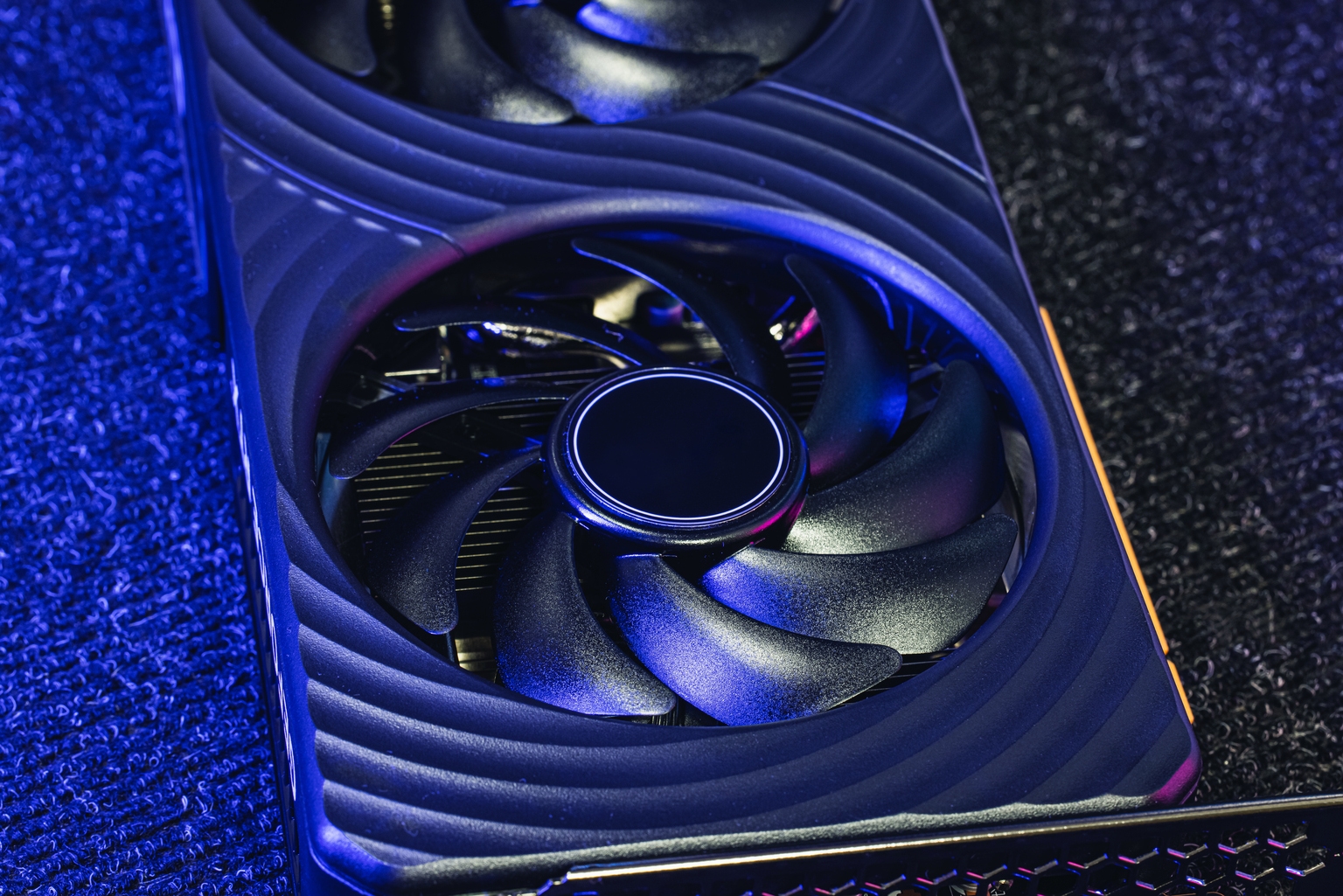
SharonAI Secures $356 Million Facility to Deploy 68,000 Nvidia GPUs
BenzingaSharonAI Enters Inaugural $356M Committed Senior Secured, GPU-Backed SPV Debt Facility Priced At Fixed Rate Of 9.95%
BenzingaIs Sharon AI (SHAZ) Sitting on a Multi-Billion Dollar Trapdoor or a Masterpiece?
YahooSharonAI Holdings Collaborates With VAST Data To Bring VAST DataEnclave, New Confidential AI Capability Of VAST DataEngine, To Sharon AI's AI Factory Platform Across Australia And Asia-Pacific
BenzingaNorthland Capital Markets Initiates Coverage On SharonAI Holdings with Outperform Rating, Announces Price Target of $95
BenzingaSharonAI: The Contracts Are Real, The Stock Is Already Pricing The Ramp
SeekingAlpha





Tous les 19 articles ↓Afficher moins ↑
SharonAI Holdings (SHAZ) Stock Looks Cheap After A 99% Fall
YahooSharonAI Holdings (SHAZ) Reshapes Leadership And Infrastructure Plans, Is It Still 51% Below Fair Value?
YahooSharonAI Holdings Announces 5-Yr Strategic Agreement With Rafay Systems, Establishing Standardized Orchestration And Operations Platform Across AI Factory Environments
BenzingaWhy Is SharonAI Stock Falling on Thursday?
BenzingaSharonAI Announces Delivery And Customer Acceptance Of An Initial AI Cloud Deployment For A Global Tech Company With A Major Presence In Asia-Pacific
BenzingaSharonAI Files Prospectus Related To The Offer And Sale Of 8.0M Class A Ordinary Common Shares By Selling Stockholder
BenzingaSharonAI Shares Rally as Nvidia Deal Overshadows a Messy Earnings Quarter
BenzingaSharonAI Holdings Inc. 2026 Q2 - Results - Earnings Call Presentation
SeekingAlphaSharonAI Holdings Inc. (SHAZ) Q2 2026 Earnings Call Transcript
SeekingAlphaSharonAI Holdings Inc. 2026 Q1 - Results - Earnings Call Presentation
SeekingAlphaSharonAI Stock Dips Friday: What's Driving the Post-Earnings Pullback?
BenzingaCantor Fitzgerald Maintains Overweight on SharonAI Holdings, Lowers Price Target to $109
BenzingaWhy Sharon AI (SHAZ) Stock Is Down After Q2 Earnings
Benzinga











Actualités fournies par des sources tierces. Ne constitue pas un conseil financier.
Analyse
Issu des donnéesChaque chiffre ci-dessus est lu à partir des données propres à cette page lors de chaque reconstruction quotidienne. À titre informatif uniquement, ne constitue pas un conseil financier. Au 21 octobre 2026.
Actions Services de Technologies de l'Information Similaires
International Business Machines Corporation
236,91 Md $
ACNAccenture plc
147,03 Md $
INFYInfosys Limited
51,64 Md $
CTSHCognizant Technology Solutions Corporation
31,33 Md $
WITWipro Limited
21,27 Md $
BRBroadridge Financial Solutions, Inc.
19,77 Md $
Actions populaires Technologie
NVIDIA Corporation
5,36 Bn $
AAPLApple Inc.
5,02 Bn $
MSFTMicrosoft Corporation
3,96 Bn $
TSMTaiwan Semiconductor Manufacturing Company Limited
2,24 Bn $
AVGOBroadcom Inc.
1,61 Bn $