NYSE · Instalaciones de Atención Médica · USD
PACS Group, Inc. (PACS) Análisis de acciones
PACS Group, Inc. (PACS) es una acción del sector Instalaciones de Atención Médica que cotiza en NYSE en dólar estadounidense.
Última actualización: 21 de octubre de 2026
Historial de Precios
No hay datos de precios disponibles
Pasa el cursor para ver el cierre diario. La línea punteada marca la apertura del periodo.
Estadísticas clave de PACS
Datos a 21 oct 2026Cotización
- Apertura
- 47,52 $
- Cierre anterior
- 47,72 $
- Rango del día
- 46,67–47,98
- Rango 52 semanas
- 10,31–49,49
- Volumen
- 648,38 mil
- BetaCuánto se mueve la acción respecto al mercado. 1,0 se mueve igual; por encima oscila más, por debajo menos.
- −0,08
Valoración
- Capitalización
- 7403,77 M $
- Ratio P/E
- 27,35
- PER estimadoPrecio de la acción dividido por el beneficio previsto del próximo año, en lugar del ya transcurrido.
- 17,08
- Ratio PEGEl PER dividido por el crecimiento esperado del beneficio. Sitúa un PER alto en el contexto del ritmo de crecimiento.
- 1,20
- Ratio P/VValor de mercado dividido por los ingresos anuales. Útil en empresas sin beneficios, donde no puede calcularse el PER.
- 1,33
- BPA (12 m)Beneficio atribuible a cada acción en los últimos doce meses.
- 1,71
Finanzas (año fiscal)
- Ingresos (ejercicio)
- 5288,93 M $+29,32 %
- Beneficio neto (ejercicio)
- 191,54 M $+243,51 %
- Margen de beneficioParte de los ingresos que queda como beneficio tras todos los costes e impuestos.
- 4,85 %
- Acciones en circulación
- 158,34 M
- Rentabilidad 1 año
- +274,08 %
Dividendo y fechas
- Fecha de resultados
- 9 de noviembre de 2026
- Volumen Promedio
- 793,89 mil
Solo se muestran las métricas que publica la empresa. Datos proporcionados por Yahoo Finance a través de yfinance. Actualizado diariamente.
Datos clave
A fecha de 21 de octubre de 2026, PACS cerró en 46,76 $, +274,08 % en 1 año.
PACS Group, Inc. (PACS) tiene una capitalización bursátil de 7403,77 M $.
En el ejercicio fiscal 2025, PACS registró ingresos de 5288,93 M $.
Rentabilidad anual de PACS por año
Rentabilidad de PACS Group, Inc. (PACS) desde abr 2024: en qué se convirtieron 10.000 $
- 1 año
- 10.000 $ 37.408 $
- +274,08 %
- Desde abr 2024
- 10.000 $ 20.330 $
- +103,30 %
Si hubieras invertido 10.000 $ en PACS Group, Inc. (PACS) al cierre del 11 de abril de 2024, el primer cierre registrado aquí, la inversión valdría 20.330 $ al cierre del 21 de octubre de 2026: +103,30 % en total, +32,42 % al año, en un periodo parcial de menos de 10 años. Cálculo histórico a partir de precios de cierre ajustados por desdoblamientos y dividendos, antes de comisiones e impuestos.
Rentabilidades por año natural calculadas sobre precios de cierre diarios. Los años parciales se muestran atenuados y marcados con un asterisco.
| Año | Rentabilidad |
|---|---|
| 2026 (año parcial) | +21,80 % |
| 2025 | +192,83 % |
| 2024 (año parcial) | −43,00 % |
Datos a 21 de octubre de 2026.
Ingresos y beneficios de PACS por año fiscal
El año fiscal termina en diciembre| Año fiscal | Ingresos | Beneficio neto | Margen neto |
|---|---|---|---|
| 2025 | 5288,93 M $ | 191,54 M $ | 3,6 % |
| 2024 | 4089,73 M $ | 55,76 M $ | 1,4 % |
| 2023 | 3111,49 M $ | 112,87 M $ | 3,6 % |
| 2022 | 2421,99 M $ | 150,50 M $ | 6,2 % |
| Año fiscal | Ingresos | Beneficio bruto | Resultado operativo | Beneficio neto | Margen neto |
|---|---|---|---|---|---|
| 2025 | 5288,93 M $ | 780,33 M $ | 309,60 M $ | 191,54 M $ | 3,6 % |
| 2024 | 4089,73 M $ | 507,69 M $ | 123,07 M $ | 55,76 M $ | 1,4 % |
| 2023 | 3111,49 M $ | 447,07 M $ | 207,77 M $ | 112,87 M $ | 3,6 % |
| 2022 | 2421,99 M $ | 400,68 M $ | 229,36 M $ | 150,50 M $ | 6,2 % |
Cifras anuales según lo reportado, en la moneda de presentación de la empresa. Datos a 31 de diciembre de 2025.
Valoración de PACS frente a la mediana de Instalaciones de Atención Médica
Mediana de 54 acciones| Métrica | PACS | Mediana de Instalaciones de Atención Médica | Frente a la mediana |
|---|---|---|---|
| P/E | 27,35 | 20,67 | 32% por encima |
| Ratio P/V | 1,33 | 0,87 | 54% por encima |
| Margen de beneficio | 4,85 % | 3,19 % | 1,7 p.p. por encima |
Medianas de 54 acciones de Instalaciones de Atención Médica que publican la métrica. Medianas, no medias, para que un valor atípico no las desplace. Datos a 21 de octubre de 2026.
Noticias Recientes
PACS Group, Inc. (PACS) Surges 6.2%: Is This an Indication of Further Gains?
YahooLease Expansion Could Reshape The Case For PACS Group (PACS) Stock
YahooPACS Group: Strong Growth Opportunities But The Valuation Is Justified
SeekingAlphaIs PACS Group (PACS) Cheap On Its Florida Nursing Home Expansion?
YahooOmega to Transition Operations of 32 Facilities in Florida to PACS Group
YahooPACS Group Announces Chief Legal Officer Transition
Yahoo






Todos los 20 artículos ↓Mostrar menos ↑
PACS Group, Inc. to Present at the 2026 Jefferies Healthcare Services and Technology Conference on September 15, 2026
YahooPACS Expands Florida Footprint With 32-Facility Acquisition
YahooJP Morgan Maintains Overweight on PACS Group, Raises Price Target to $58
BenzingaPACS Group Shares Rise 3.3% as Company Plans Florida Expansion and Completes More Eduro Acquisitions
InvestorsHubPACS Group to Acquire Operations of 32 Facilities Across Florida and Closes on Additional Previously Announced Eduro Facilities
YahooPACS Group: The Peer Check Stopped Me From Calling It Cheap
SeekingAlphaPACS Group Subsidiaries Enter Into Definitive Agreements To Acquire Operations Of 32 Skilled Nursing Facilities Across Florida; Terms Not Disclosed
BenzingaPACS Group (PACS) Price Target Increased by 14.73% to 60.38
FintelOppenheimer Maintains Outperform on PACS Group, Raises Price Target to $57
BenzingaUBS Maintains Buy on PACS Group, Raises Price Target to $60
BenzingaRBC Capital Maintains Outperform on PACS Group, Raises Price Target to $57
BenzingaTruist Securities Maintains Buy on PACS Group, Raises Price Target to $62
BenzingaPACS Group, Inc. (PACS) Q2 2026 Earnings Call Transcript
SeekingAlphaPACS Group, Inc. 2026 Q2 - Results - Earnings Call Presentation
SeekingAlpha



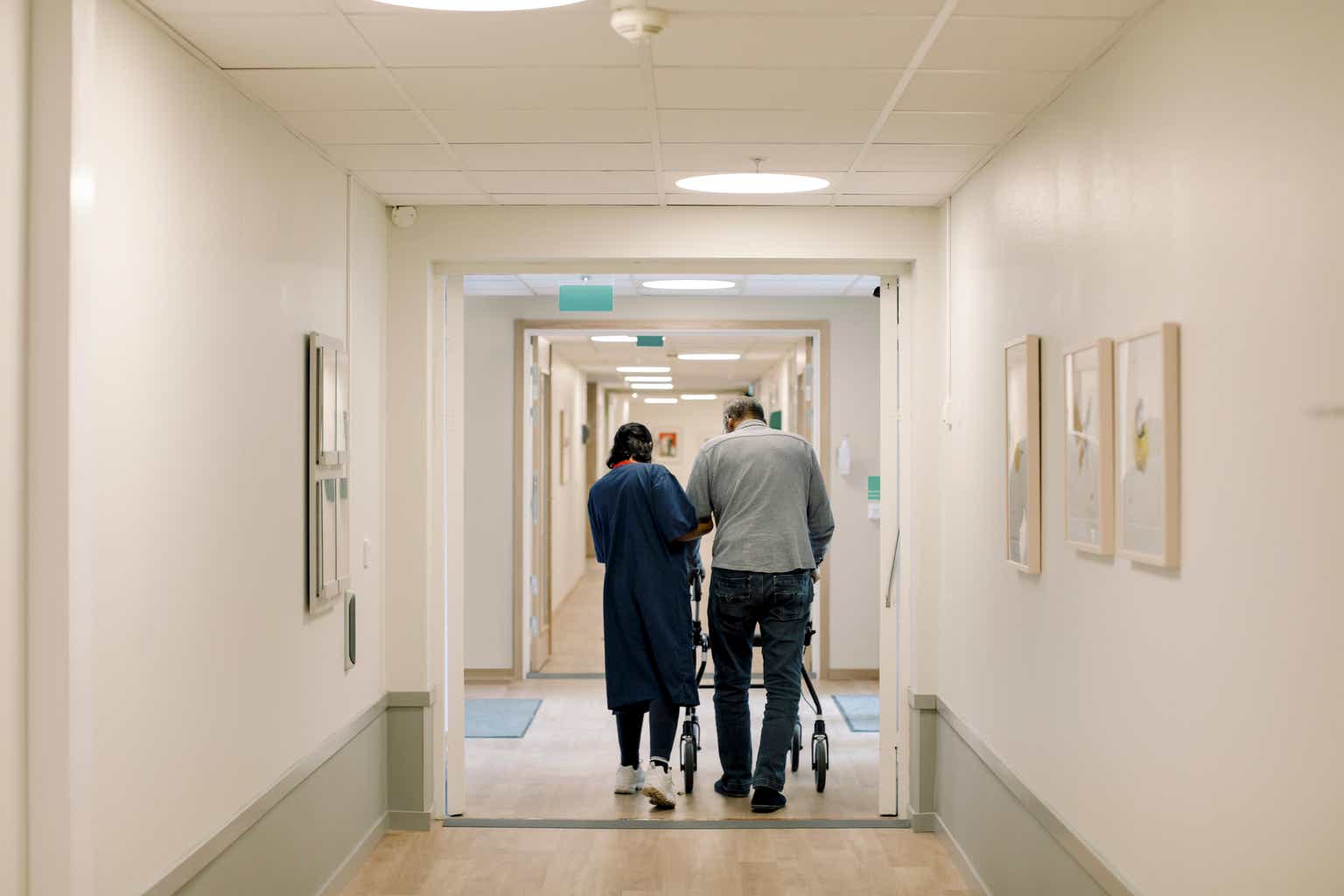





Noticias proporcionadas por fuentes de terceros. No es asesoramiento financiero.
Análisis
Derivado de datosTodas las cifras anteriores se leen de los propios datos de esta página en cada reconstrucción diaria. Solo con fines informativos, no es asesoramiento financiero. Datos a 21 de octubre de 2026.
Acciones Similares de Instalaciones de Atención Médica
HCA Healthcare, Inc.
99,46 mil M $
THCTenet Healthcare Corporation
21,67 mil M $
EHCEncompass Health Corporation
11,88 mil M $
FMSFresenius Medical Care AG
11,47 mil M $
DVADaVita Inc.
11,28 mil M $
UHSUniversal Health Services, Inc.
10,78 mil M $
Acciones populares de Salud
Eli Lilly and Company
1,13 B $
JNJJohnson & Johnson
621,22 mil M $
ABBVAbbVie Inc.
503,27 mil M $
UNHUnitedHealth Group Incorporated
374,30 mil M $
MRKMerck & Co., Inc.
369,78 mil M $